
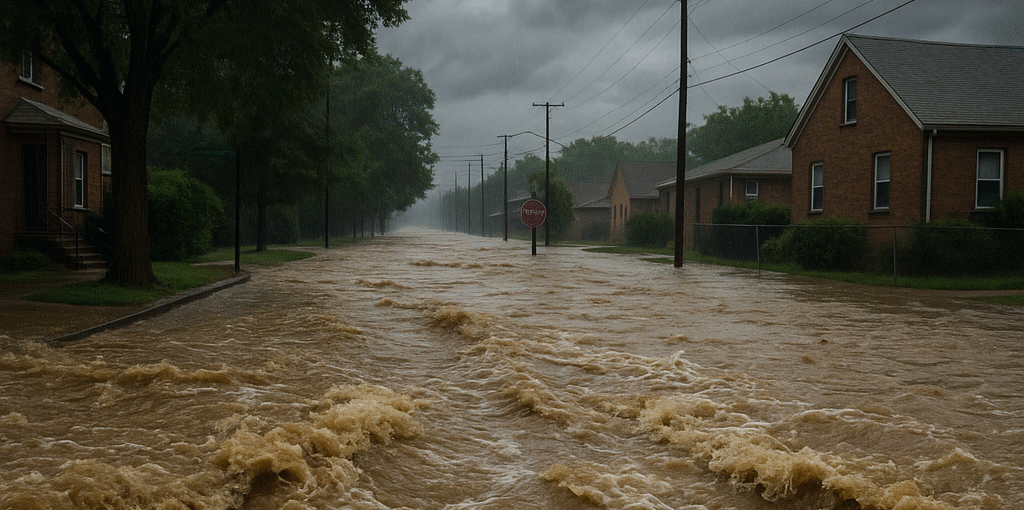
Flash floods are among the most dangerous weather events, often occurring with little warning and capable of causing devastating damage within minutes. Unlike regular flooding, which can build up over time, flash floods are sudden, intense, and highly unpredictable. Understanding how they occur and knowing what to do in the moment can be life-saving.
🌧️ What Is a Flash Flood?
A flash flood is a rapid and extreme flow of high water into a normally dry area or a quick rise in a stream or creek above a predetermined flood level. They typically develop within six hours of a heavy rainfall event but can occur within minutes in extreme cases.
Causes include:
Heavy rainfall from thunderstorms or hurricanes
Dam or levee failures
Sudden snowmelt or ice jams
Urban development, which reduces the land’s ability to absorb water
Flash floods are especially dangerous in urban areas, mountainous regions, deserts, and low-lying zones.
⚠️ Warning Signs of Flash Flooding
Flash floods can happen fast, but a few signs may give you time to act:
Rapidly darkening skies and heavy rainfall
Water accumulating in streets or low areas unusually quickly
A sudden rise in stream or creek levels
Rumbling sounds that may indicate water or debris flow
Flash Flood Watch or Warning alerts from the National Weather Service
🚨 What to Do During a Flash Flood
If You’re Outdoors or Driving:
Avoid driving through water: As little as 6 inches of water can stall a car; 12 inches can sweep it away.
“Turn Around, Don’t Drown”: Never attempt to cross flooded roads or bridges.
Climb to higher ground immediately if water begins to rise.
Be cautious of washed-out roads, fallen power lines, and debris flows.
If You’re at Home:
Move to higher floors or the roof if water starts entering your home.
Turn off utilities at the main switches or valves if instructed and time permits.
Avoid basements or lower levels—they fill with water quickly and can trap you.
Keep an emergency kit ready, including food, water, flashlight, batteries, and necessary medications.
🧭 After the Flood
Once the water recedes, dangers can still remain:
Avoid floodwaters, which may contain sewage, chemicals, and sharp objects.
Watch for structural damage in homes or buildings before reentering.
Discard contaminated food and water.
Document damage for insurance claims.
✅ Emergency Preparedness Tips
Stay informed: Sign up for weather alerts via NOAA Weather Radio or your phone.
Have a plan: Know your evacuation route and meeting points.
Keep emergency supplies stocked.
Install check valves in plumbing to prevent floodwater backup.
Clear gutters and drains regularly, especially before storms.
🌍 Flash Flood Facts
| Fact | Detail |
|---|---|
| Top weather killer in the U.S. | More deaths annually than tornadoes or hurricanes |
| Speed of water | Can travel up to 30 feet per second |
| Common occurrence | Every U.S. state is at risk |
| Most deaths | Happen in vehicles |
Final Word
Flash flooding is fast, fierce, and unforgiving. But with preparation and quick thinking, you can protect yourself and your loved ones. Always respect the power of moving water and remember: it’s better to evacuate early than to get caught in a dangerous situation.
Stay alert. Stay dry. Stay safe.