
As temperatures climb during the summer months, spending time outdoors can be enjoyable, but extreme heat can quickly become dangerous. Every year, thousands of people experience heat-related illnesses ranging from mild dehydration to life-threatening heat stroke. Whether you’re hiking, camping, working outside, or simply enjoying a sunny day, understanding how to stay cool and recognize the warning signs of heat illness can help keep you and your family safe.
*The information provided in this article is intended for general educational and informational purposes only and should not be considered medical advice, diagnosis, or treatment. It is not a substitute for professional medical care or consultation with a qualified healthcare provider.
Why Hot Weather Can Be Dangerous
Your body naturally cools itself by sweating. As sweat evaporates, it removes heat from your skin. However, when temperatures are extremely high—or when humidity is high—this cooling process becomes much less effective.
Factors that increase your risk include:
- High temperatures (above 90°F / 32°C)
- High humidity
- Direct sunlight
- Physical activity
- Dehydration
- Certain medications
- Older age and young children
Without proper precautions, overheating can lead to serious medical emergencies.
Stay Hydrated
Hydration is your first line of defense against heat illness.
Best Practices
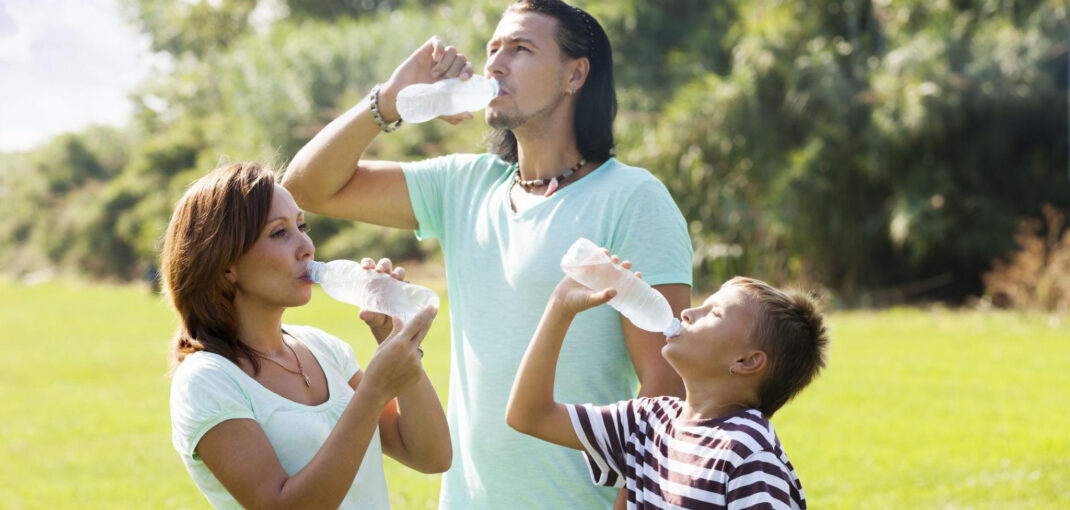
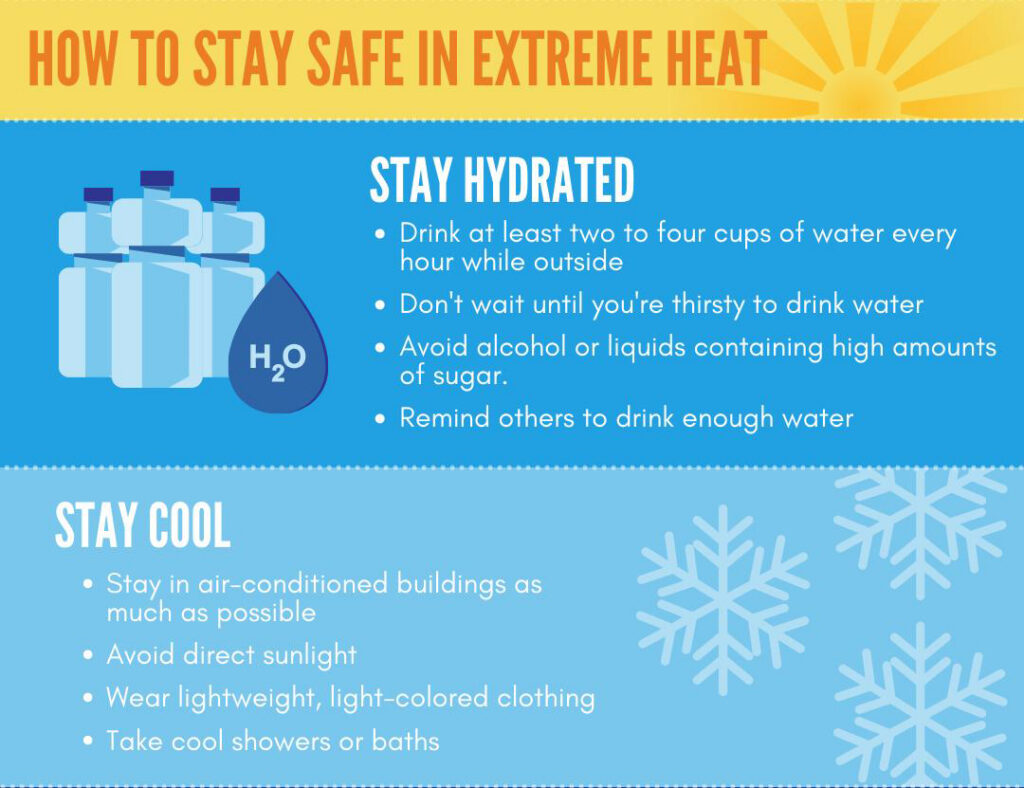
- Drink water regularly throughout the day.
- Don’t wait until you’re thirsty.
- Increase water intake during physical activity.
- Replace electrolytes during prolonged exercise or sweating.
- Avoid excessive alcohol and limit caffeinated beverages, which may contribute to dehydration.
How Much Water?
While everyone’s needs differ, a general recommendation is:
- 2–3 liters (8–12 cups) daily for most adults.
- More during outdoor activities or strenuous exercise.
A simple indicator is urine color—it should be pale yellow. Dark yellow urine often indicates dehydration.
Dress for the Heat
The clothing you wear plays a major role in staying cool.
Choose:
- Light-colored clothing
- Loose-fitting garments
- Moisture-wicking fabrics
- Breathable cotton or technical outdoor fabrics
- Wide-brim hats
- UV-protective sunglasses
Avoid dark, heavy clothing that traps heat.
Use Sunscreen
Sunburn reduces your body’s ability to cool itself.
Recommendations:
- SPF 30 or higher
- Broad-spectrum protection
- Reapply every two hours
- Reapply after swimming or heavy sweating
Don’t forget often-missed areas like ears, neck, feet, and the tops of your hands.
Avoid Peak Heat Hours
The hottest part of the day is usually between:
10:00 AM and 4:00 PM
If possible:
- Schedule hikes early in the morning.
- Work outdoors before noon.
- Plan strenuous activities for the evening.
Take Frequent Breaks
If you’re working or recreating outdoors:
- Rest every 30–60 minutes.
- Move into the shade.
- Cool off in an air-conditioned building if available.
- Reduce activity when temperatures rise.
Remember that fatigue can be an early warning sign of overheating.
Eat Foods That Help You Stay Hydrated
Many fruits and vegetables contain large amounts of water.
Excellent choices include:
- Watermelon
- Strawberries
- Oranges
- Cucumbers
- Lettuce
- Celery
- Tomatoes
Heavy meals can increase your body’s heat production, so lighter meals are often more comfortable in hot weather.
Never Leave Children or Pets in Vehicles
Vehicle interiors can become deadly within minutes.
Even when it’s only 80°F outside, a parked car can exceed 110°F in less than 20 minutes.
Always:
- Check the back seat before locking your vehicle.
- Keep vehicles locked to prevent children from entering.
- Bring pets with you whenever possible.
Keep Your Home Cool
If your home becomes excessively warm:
- Close blinds during the day.
- Use fans to circulate air.
- Run air conditioning when available.
- Visit public cooling centers during extreme heat.
- Open windows during cooler nighttime temperatures if it’s safe to do so.
Know the Signs of Heat Illness
Heat Cramps
Symptoms:
- Muscle cramps
- Heavy sweating
- Fatigue
Treatment:
- Rest
- Drink water or electrolyte beverages
- Stretch gently
Heat Exhaustion
Symptoms:
- Heavy sweating
- Weakness
- Headache
- Dizziness
- Nausea
- Cool, clammy skin
- Fast pulse
Treatment:
- Move to shade or air conditioning.
- Drink cool fluids.
- Loosen clothing.
- Apply cool compresses.
If symptoms persist or worsen, seek medical attention.
Heat Stroke (Medical Emergency)
Symptoms:
- Body temperature above 104°F (40°C)
- Confusion
- Slurred speech
- Seizures
- Loss of consciousness
- Hot, dry skin or heavy sweating
Call emergency services immediately.
While waiting:
- Move the person into shade.
- Cool them with water, ice packs, or wet towels.
- Do not force fluids if they are unconscious or confused.
Heat stroke can become fatal without immediate treatment.
Outdoor Recreation Safety Tips
Whether you’re camping, hiking, kayaking, or enjoying an afternoon at the park:
- Carry more water than you think you’ll need.
- Pack electrolyte drinks.
- Wear a hat and sunscreen.
- Know where shaded rest areas are located.
- Tell someone where you’re going.
- Monitor weather forecasts before leaving.
- Turn around if anyone in your group shows signs of overheating.
Protect Vulnerable Individuals
Check on:
- Elderly family members
- Infants and young children
- People with chronic illnesses
- Neighbors without air conditioning
Simple acts such as delivering water or offering transportation to a cooling center can save lives.
Heat Safety Checklist
Before heading outdoors:
- ✓ Drink plenty of water.
- ✓ Wear lightweight, light-colored clothing.
- ✓ Apply sunscreen.
- ✓ Bring extra water and electrolytes.
- ✓ Wear a wide-brim hat and sunglasses.
- ✓ Schedule activities outside peak heat hours.
- ✓ Take regular breaks in the shade.
- ✓ Watch for signs of heat illness.
- ✓ Never leave children or pets in parked vehicles.
- ✓ Know where to find emergency assistance.
Final Thoughts
Summer adventures are more enjoyable when you prepare for the heat. Staying hydrated, wearing appropriate clothing, limiting exposure during the hottest hours, and recognizing the early symptoms of heat-related illness can significantly reduce your risk. Whether you’re exploring trails, working outdoors, or spending time with family, a few simple precautions can make the difference between a memorable day and a medical emergency. Respect the heat, listen to your body, and prioritize safety so you can enjoy everything summer has to offer.