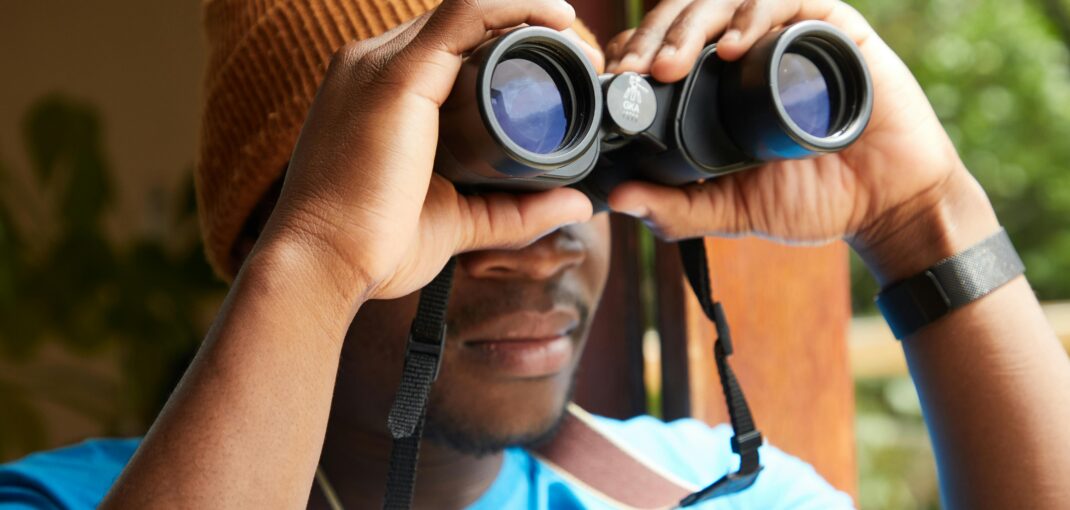
Whether you’re spotting wildlife in the forest, admiring sweeping mountain vistas, or navigating a tricky trail, a good pair of binoculars can enhance your hiking experience. But with so many types on the market, choosing the right binoculars can feel overwhelming. This guide breaks down the main types of binoculars suitable for hikers, helping you pick the pair that best suits your adventures.
1. Compact Binoculars
Best for: Ultralight hikers, casual day trips, and minimalist packers
Features:
-
Lightweight and small (usually 8×25 or 10×25 models)
-
Easy to fit in a pocket or small backpack
-
Generally less expensive
Pros:
-
Easy to carry
-
Great for quick hikes and casual use
-
Decent for general observation
Cons:
-
Lower light-gathering ability
-
Less comfortable for extended viewing sessions
Ideal for: Hikers who prioritize weight and space savings over maximum performance.
2. Mid-Size Binoculars
Best for: Versatile hikers, bird watchers, and wildlife observers
Features:
-
Moderate size and weight (common sizes are 8×32 or 10×32)
-
Balance between portability and performance
Pros:
-
Better image quality and brightness than compact models
-
Suitable for low-light conditions like dawn or dusk
-
More stable in hand
Cons:
-
Slightly heavier and bulkier
-
May not fit in smaller packs or pockets
Ideal for: Hikers who want a good all-around option for both landscapes and wildlife.
3. Full-Size Binoculars
Best for: Dedicated wildlife watchers, backcountry explorers, and stationary viewing
Features:
-
Larger lenses (typically 8×42 or 10×42)
-
Excellent brightness and clarity
Pros:
-
Superior image quality, especially in low-light conditions
-
Great for birding and detailed wildlife observation
Cons:
-
Heavier and bulkier
-
May require a harness for long hikes
Ideal for: Serious nature observers who don’t mind the extra weight in exchange for top-tier optics.
4. Waterproof and Fogproof Binoculars
Best for: All-weather hikers and high-altitude adventurers
Features:
-
Sealed and nitrogen- or argon-purged to prevent internal fogging
-
Durable and often rubber-armored
Pros:
-
Withstand wet, humid, and extreme environments
-
Long-lasting and rugged
Cons:
-
Can be more expensive
Ideal for: Anyone hiking in unpredictable weather or near bodies of water.
5. Stabilized Binoculars
Best for: Long-range viewers and those with shaky hands
Features:
-
Built-in image stabilization (electronic or gyroscopic)
Pros:
-
Clearer viewing at high magnification
-
Less eye strain
Cons:
-
Heavier and more expensive
-
May require batteries
Ideal for: Hikers who need steady viewing at higher magnifications or are prone to hand tremors.
Key Factors to Consider
-
Magnification vs. Field of View: Higher magnification (10x or more) brings objects closer but narrows the field of view and requires a steadier hand. Lower magnification (like 8x) provides a wider view, better for scanning landscapes and tracking moving animals.
-
Lens Diameter: Larger lenses (e.g., 42mm) gather more light, great for early morning or dusk hikes, but are heavier.
-
Weight and Size: For multi-day treks, opt for lighter models. For short hikes or birding from a fixed spot, heavier binoculars might be worth the extra weight.
-
Durability: Rubber armor, waterproofing, and fogproofing are all important for withstanding the rigors of the trail.
Conclusion
There’s no one-size-fits-all when it comes to binoculars for hiking. Your ideal pair depends on how far you hike, what you want to observe, and how much gear you’re willing to carry. Compact models suit casual hikers, while mid-size and full-size options offer better clarity for serious nature enthusiasts. Whichever you choose, a quality pair of binoculars can turn a simple hike into an unforgettable encounter with the natural world.