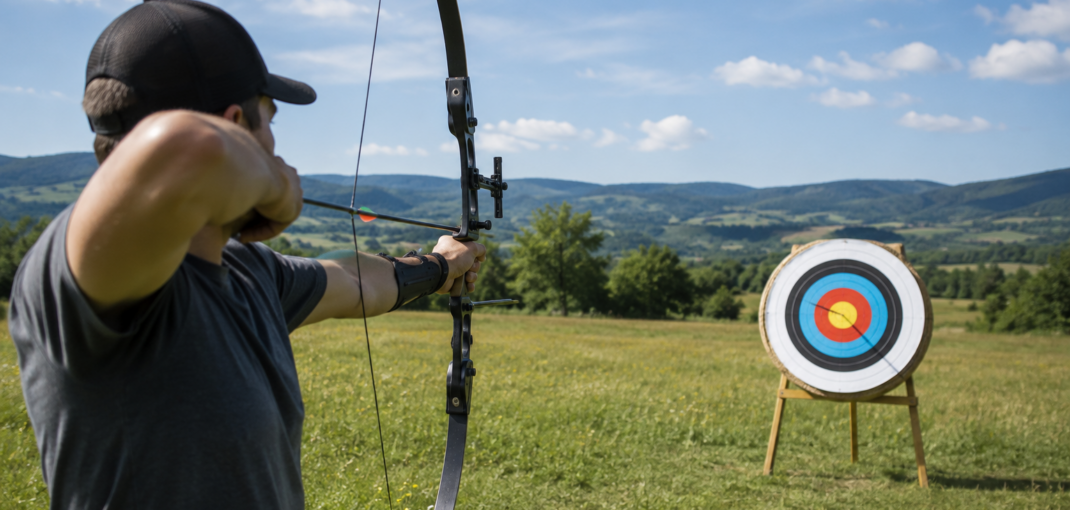
Whether you’re interested in traditional archery, bowhunting, target shooting, or adding a valuable survival skill to your outdoor adventures, understanding bows and arrows is the first step. Archery has been practiced for thousands of years and remains one of the most rewarding outdoor activities today. It combines patience, precision, focus, and respect for safety while providing an enjoyable challenge for people of nearly all ages.
This guide explores the different types of bows, arrows, equipment, and safety practices to help beginners and experienced archers alike make informed decisions.
* Safety Disclaimer
This article is provided for educational and informational purposes only and should not be considered professional instruction, legal advice, or hunting guidance. Always receive hands-on training from a qualified archery instructor before using archery equipment. Follow the manufacturer’s instructions, wear appropriate safety equipment, obey all local, state, and federal laws, and use bows and arrows only in approved locations. Overlanding Unlimited assumes no responsibility for injuries, damages, or losses resulting from the use or misuse of the information provided in this article.
A Brief History of Archery
The bow and arrow is one of humanity’s oldest tools, dating back more than 10,000 years. Early civilizations relied on bows for hunting and protection. As technology advanced, bows evolved from simple wooden designs into highly engineered sporting equipment made from aluminum, fiberglass, and carbon fiber.
Today, archery is enjoyed recreationally, competitively, and by hunters around the world. It is also an Olympic sport that showcases incredible accuracy and consistency.
Types of Bows
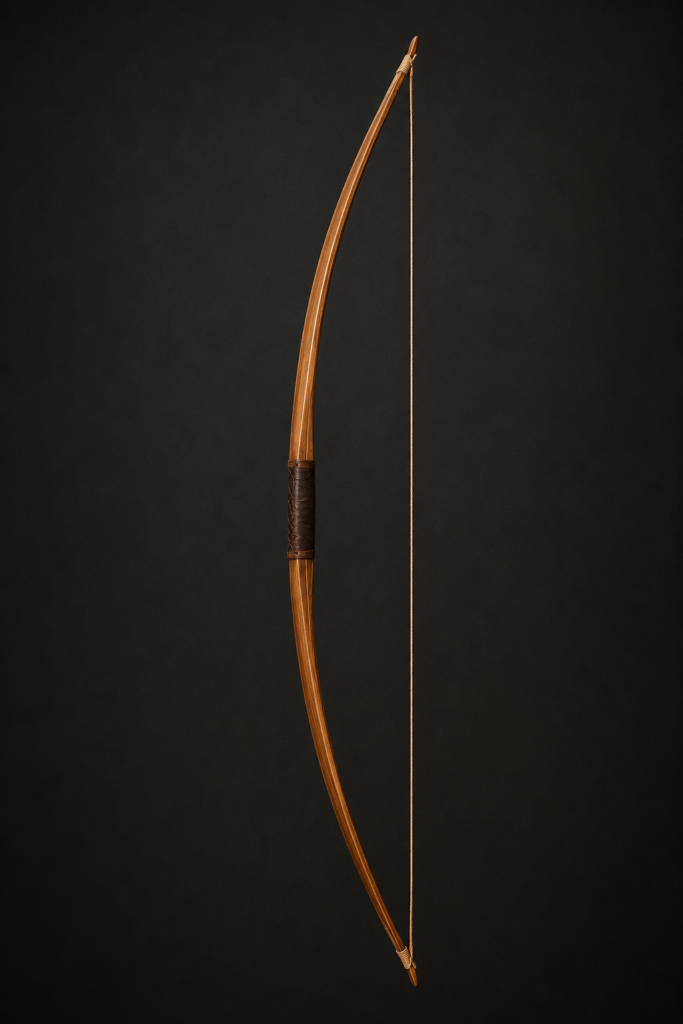
Longbow
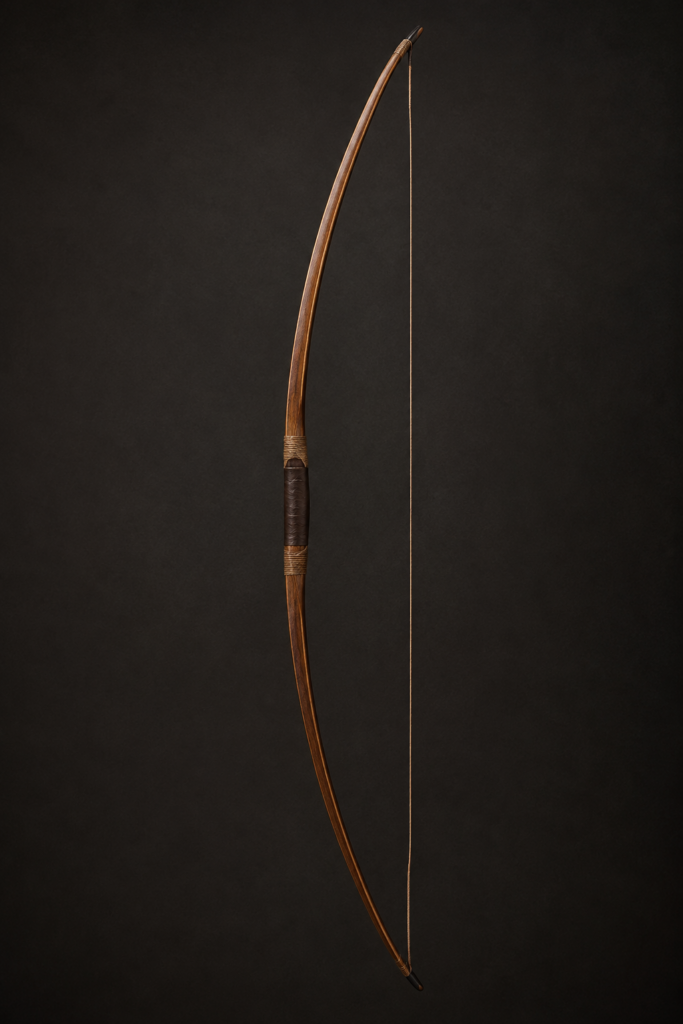
The longbow is one of the oldest bow designs. Traditionally made from a single piece of wood, it is simple, lightweight, and valued for its historical significance.
Best For:
- Traditional archery
- Historical reenactments
- Primitive survival skills
Advantages
- Simple construction
- Quiet operation
- Lightweight
- Easy maintenance
Disadvantages
- Requires more practice
- Lower arrow speeds compared to modern bows
Recurve Bow
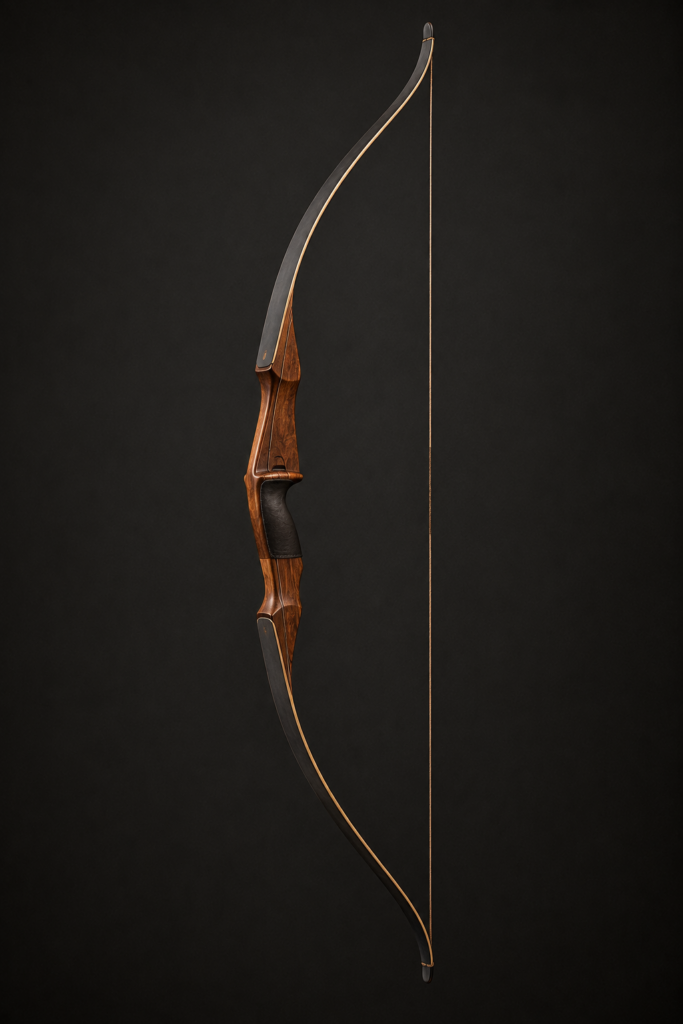
The recurve bow features limbs that curve away from the archer. This design stores more energy than a straight-limbed bow and is commonly used in Olympic competition.
Best For:
- Beginners
- Competitive target shooting
- Recreational archery
Advantages
- Excellent accuracy
- Smooth shooting
- Widely available
- Easy to transport when using takedown models
Disadvantages
- Requires consistent shooting technique
- Less forgiving than compound bows
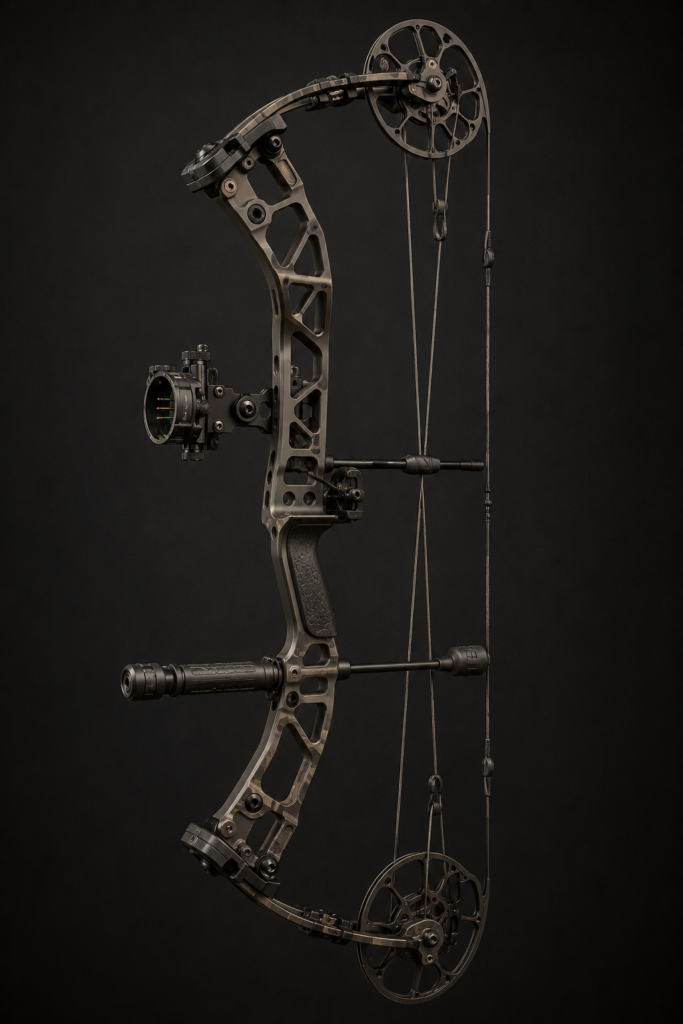
Compound Bow
Compound bows use cams and pulleys to reduce the amount of force needed to hold the string at full draw.
Best For:
- Bowhunting
- Precision target shooting
- Experienced archers
Advantages
- High arrow speeds
- Increased accuracy
- Reduced holding weight
- Adjustable draw weights on many models
Disadvantages
- More expensive
- Requires occasional tuning
- More complex maintenance
Traditional Bow
Traditional bows include many handcrafted designs made from natural materials. These bows emphasize instinctive shooting rather than mechanical accessories.
Best For:
- Traditional enthusiasts
- Historical archery
- Primitive camping experiences
Types of Arrows
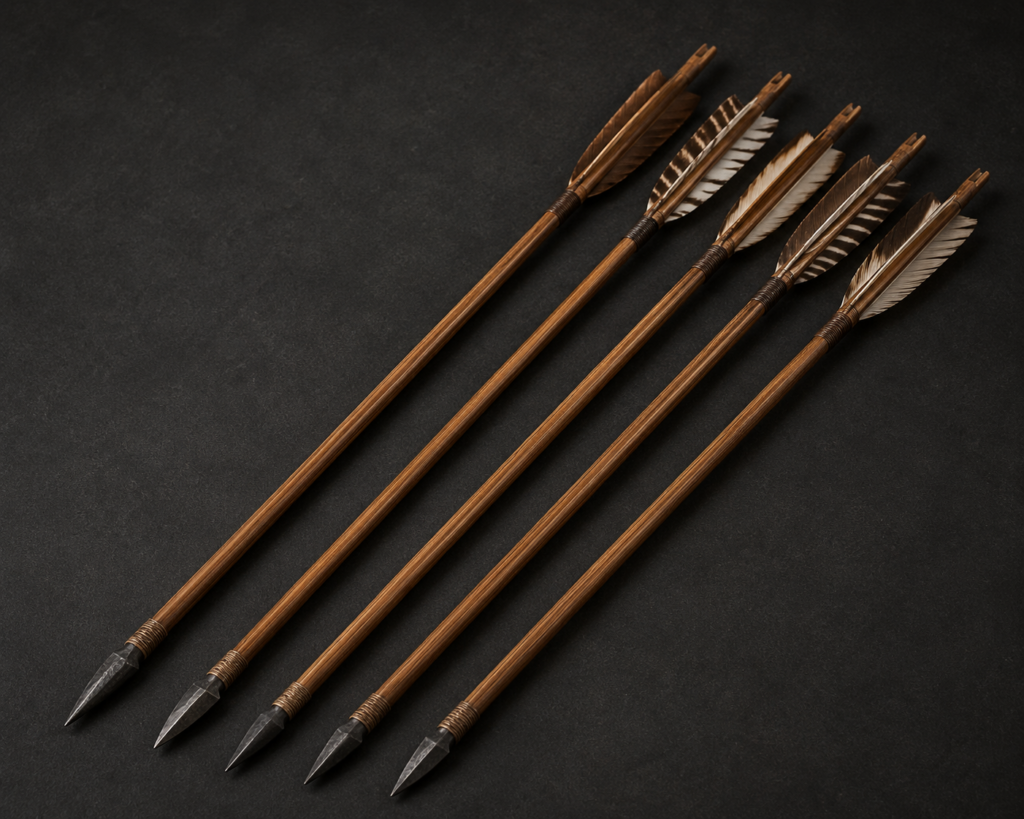
Wooden Arrows
Wood arrows offer a traditional appearance and are often paired with longbows and recurve bows.
Pros
- Authentic appearance
- Easy to customize
- Traditional feel
Cons
- Can warp over time
- Heavier than modern materials
Aluminum Arrows
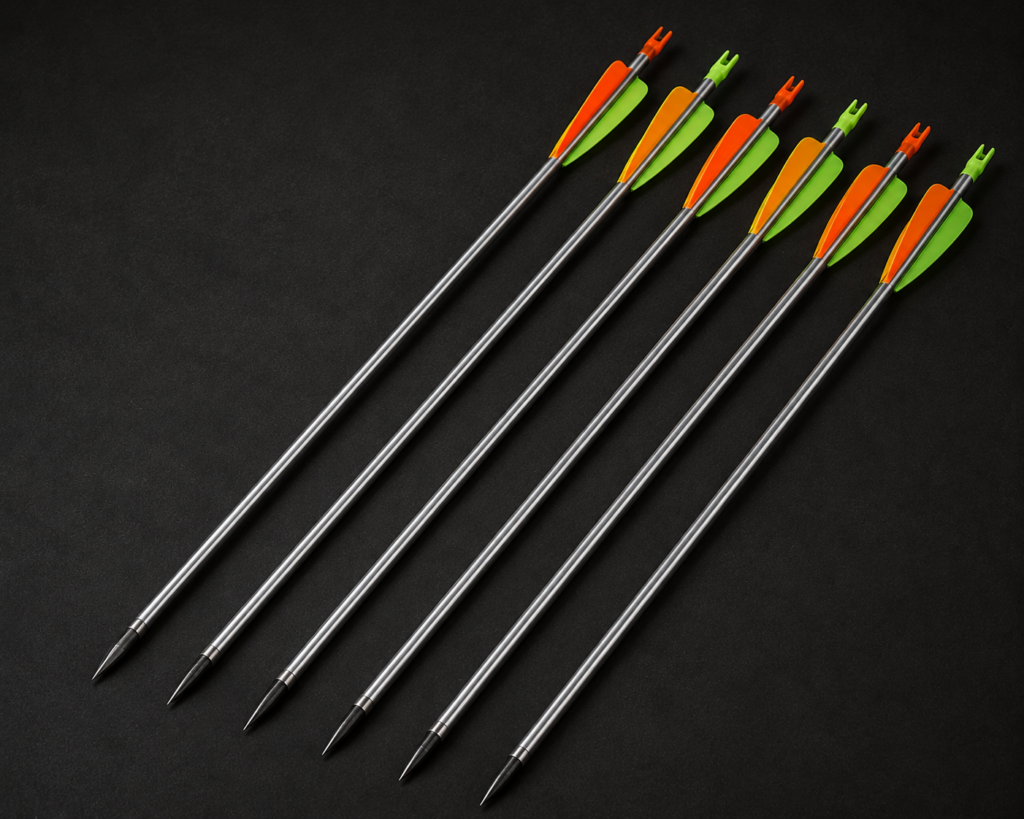
Aluminum arrows have long been a favorite for recreational shooters.
Pros
- Consistent weight
- Durable
- Affordable
Cons
- Can bend permanently after impact
Carbon Fiber Arrows
Carbon arrows are among today’s most popular options.
Pros
- Lightweight
- Extremely durable
- Fast flight
- Excellent consistency
Cons
- More expensive than aluminum
Carbon/Aluminum Hybrid Arrows
These combine the strength of aluminum with the lightweight performance of carbon fiber.
Best For
- Competitive shooting
- Serious bowhunters
Things To Consider When Starting Out
Essential Archery Accessories
Many archers use accessories to improve comfort and consistency, including:
- Arm guards
- Finger tabs or release aids
- Bow sights
- Quivers
- Stabilizers
- Arrow rests
- Bow cases
- Target bags
- Rangefinders (for hunting where legal)
Basic Shooting Technique
Good technique improves accuracy and safety.
- Stand with balanced footing.
- Grip the bow lightly.
- Nock the arrow correctly.
- Draw smoothly.
- Anchor consistently.
- Aim carefully.
- Release without jerking.
- Maintain your follow-through.
Developing consistent form through regular practice is more important than relying on strength.
Archery Safety
Archery is very safe when proper precautions are followed.
Always:
- Inspect your equipment before each use.
- Never dry fire a bow (release the string without an arrow).
- Shoot only at approved targets with a safe backstop.
- Make sure the range is clear before shooting.
- Wear proper protective equipment.
- Store bows and arrows securely away from children.
- Replace damaged arrows immediately.
- Follow all local laws and regulations regarding archery equipment and hunting.
Bow Maintenance
Proper maintenance extends the life of your equipment.
Regularly:
- Inspect strings for wear.
- Check limbs for cracks.
- Tighten loose hardware.
- Clean dirt and moisture after use.
- Store equipment in a cool, dry location.
- Replace worn strings and cables as recommended by the manufacturer.
Compound bows should be serviced periodically by a qualified archery technician.
Final Thoughts
Archery is a timeless outdoor activity that blends history, craftsmanship, and skill. Whether you choose a traditional longbow, an Olympic-style recurve, or a modern compound bow, success comes from proper technique, consistent practice, and a commitment to safety.
Take the time to learn your equipment, maintain it properly, and always practice responsible shooting habits. With patience and dedication, archery can become a lifelong hobby that enhances your appreciation for the outdoors.