Whether you’re heading into the backcountry, setting up a family campsite, or preparing for a mountaineering expedition, choosing the right tent can make all the difference. Modern tents come in a variety of designs, each built for specific conditions and activities. Understanding the strengths and limitations of each type will help you select the best shelter for your next outdoor adventure.
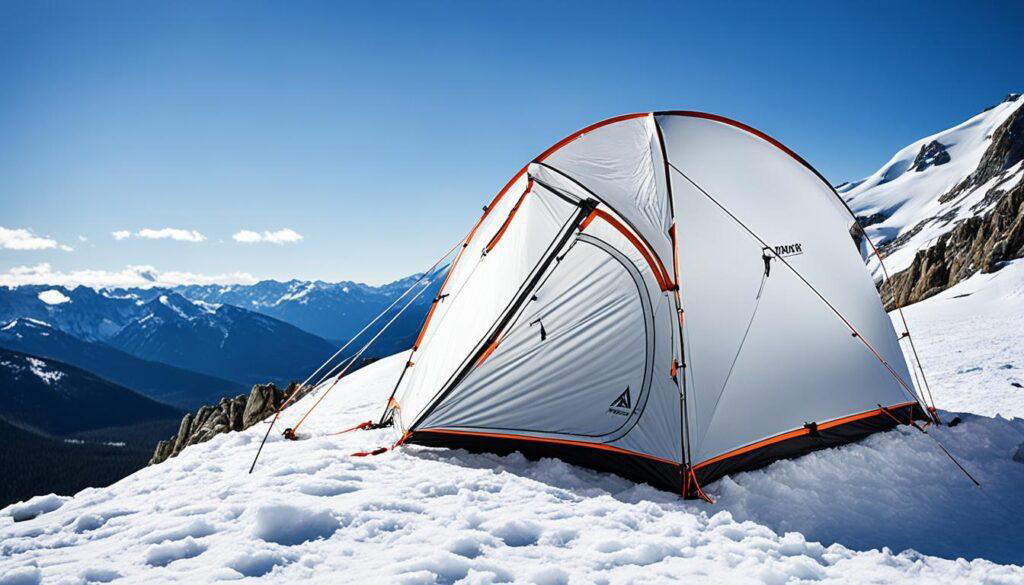
Dome Tents
Best Uses
- Family camping
- Weekend camping trips
- General outdoor recreation
Advantages
- Easy to set up
- Good wind resistance
- Lightweight and portable
- Available in a wide range of sizes
Disadvantages
- Limited headroom compared to cabin tents
- Less interior space than similarly sized cabin designs
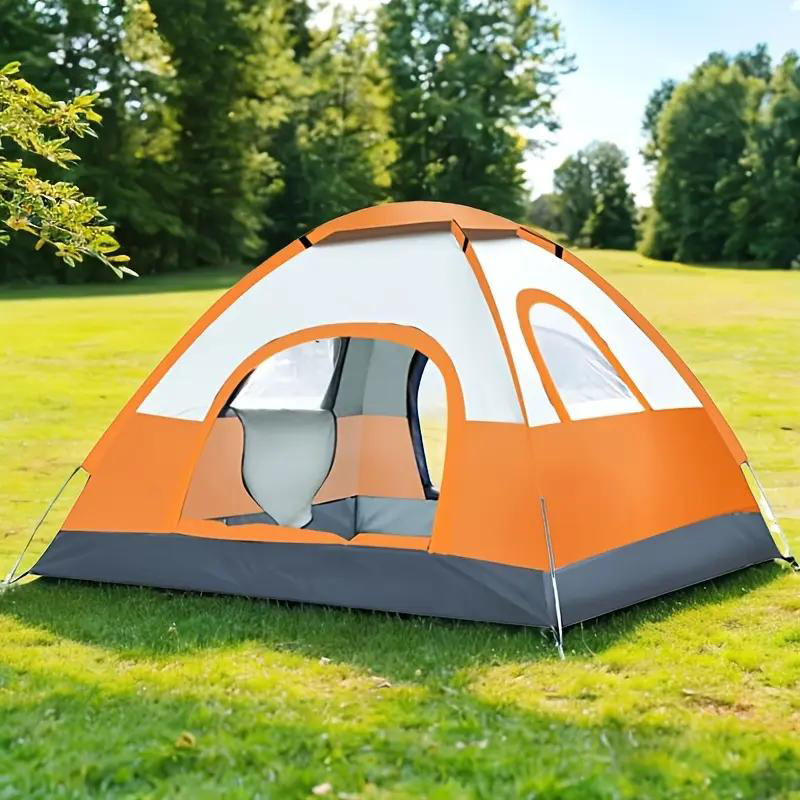
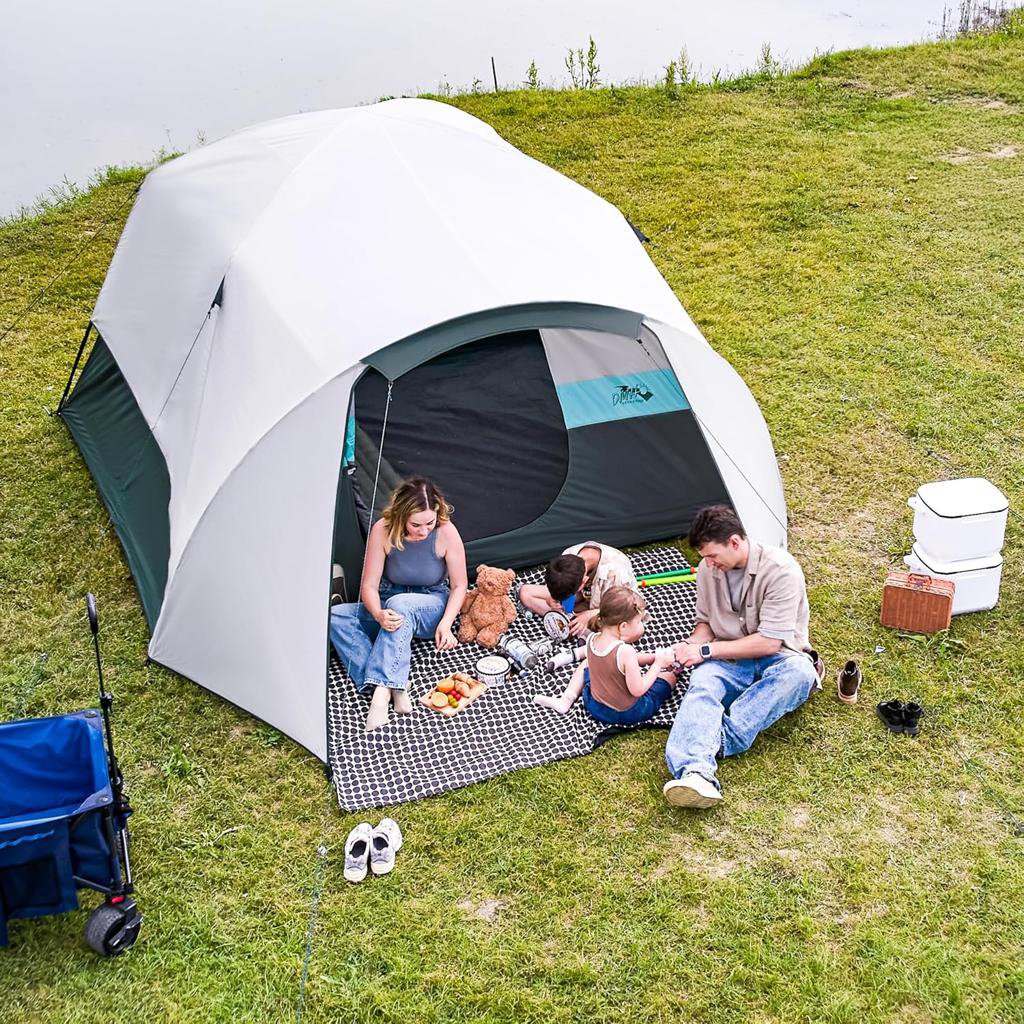
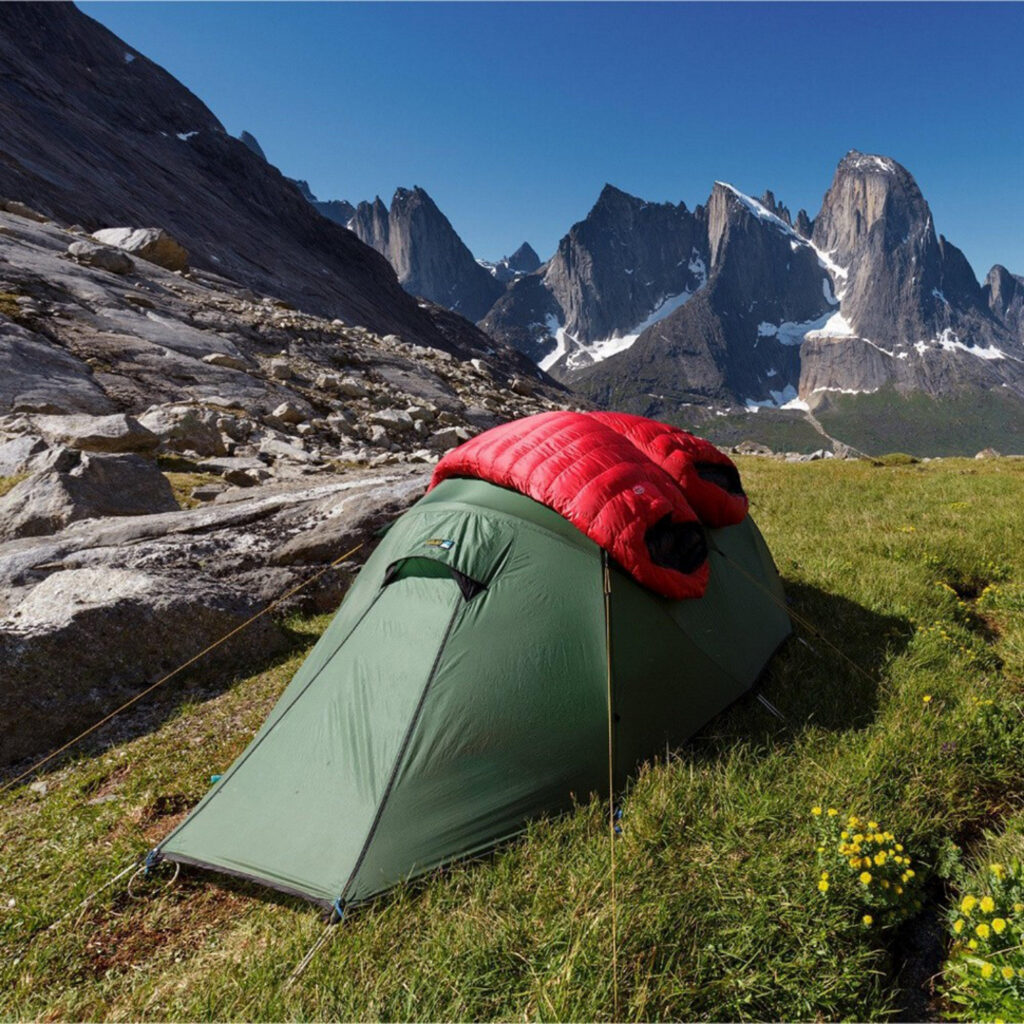
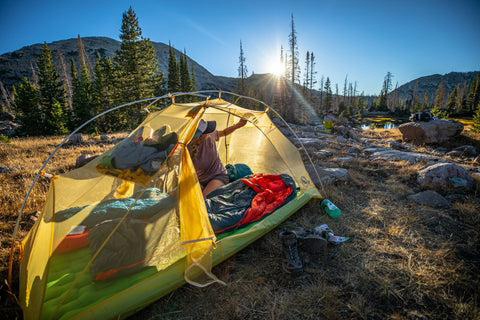
Dome tents are the most common type of camping tent. Their curved pole structure creates a stable shape that performs well in moderate weather conditions. They are an excellent all-around choice for most campers.
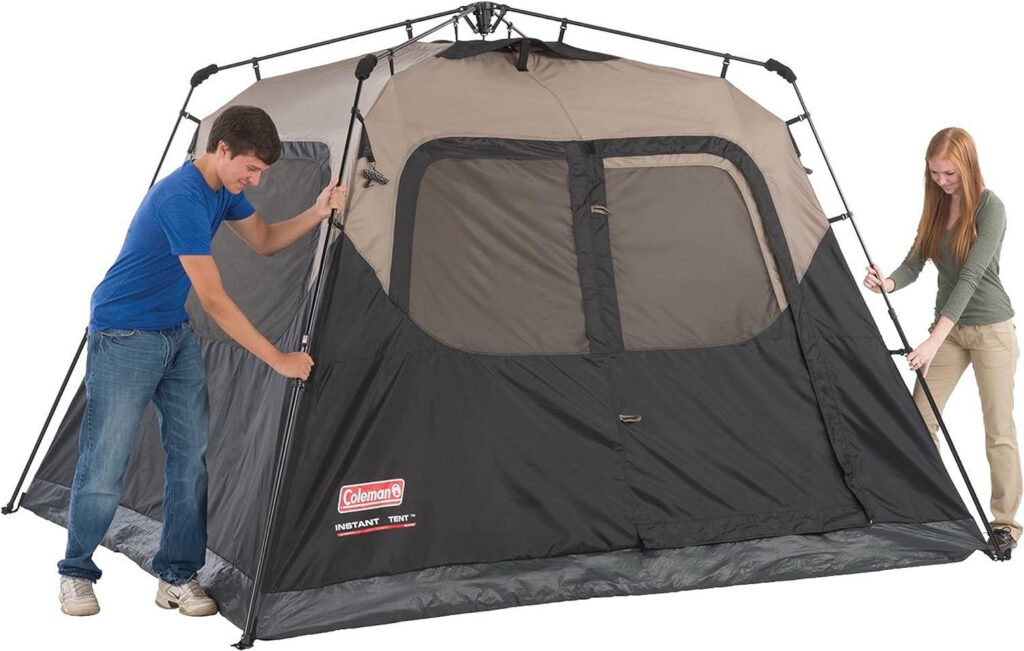
Cabin Tents
Best Uses
- Family camping
- Extended campground stays
- Group camping trips
Advantages
- Nearly vertical walls maximize interior space
- Excellent headroom
- Often includes room dividers and multiple doors
Disadvantages
- Heavier and bulkier
- Less aerodynamic in strong winds
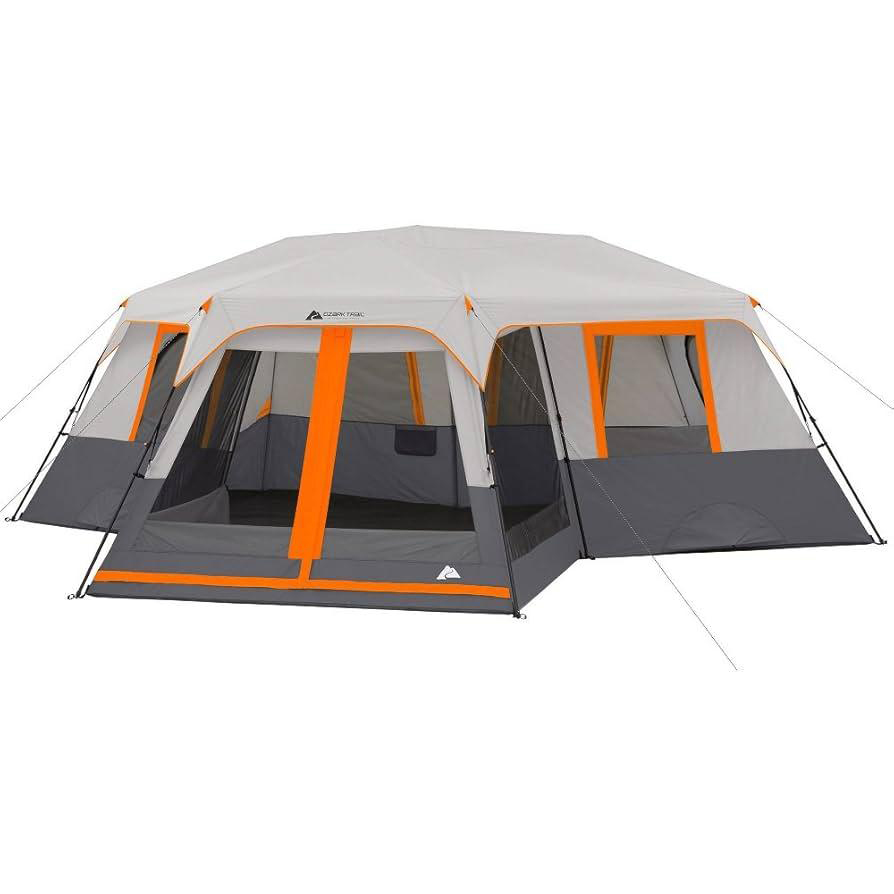
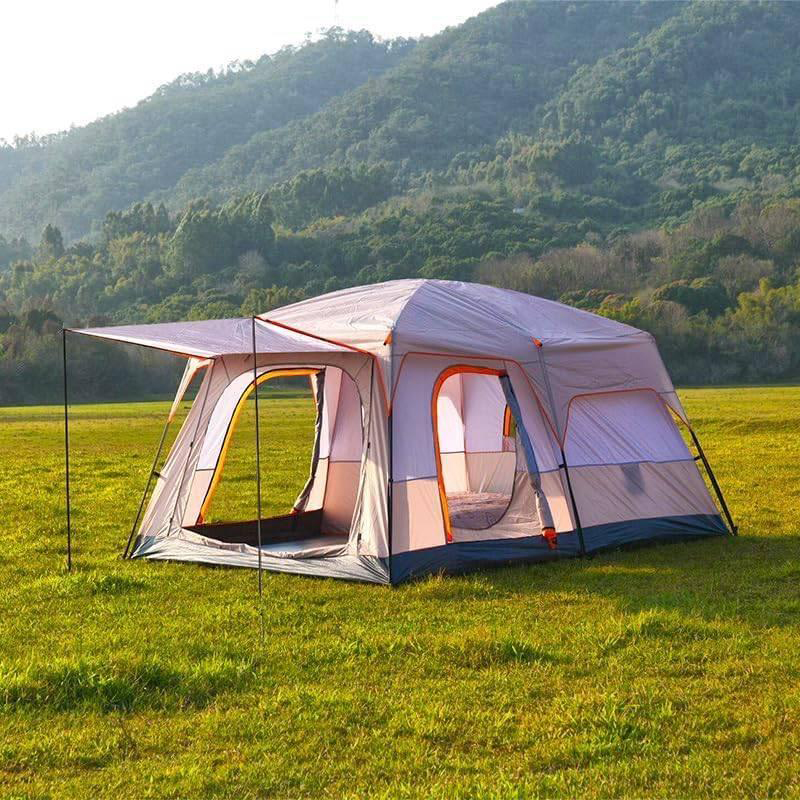
Cabin tents provide a home-like camping experience. Many models allow adults to stand comfortably inside and offer separate sleeping areas for families.
Backpacking Tents
Best Uses
- Backpacking
- Thru-hiking
- Bikepacking
Advantages
- Extremely lightweight
- Compact packed size
- Designed for portability
Disadvantages
- Limited living space
- Minimal storage capacity
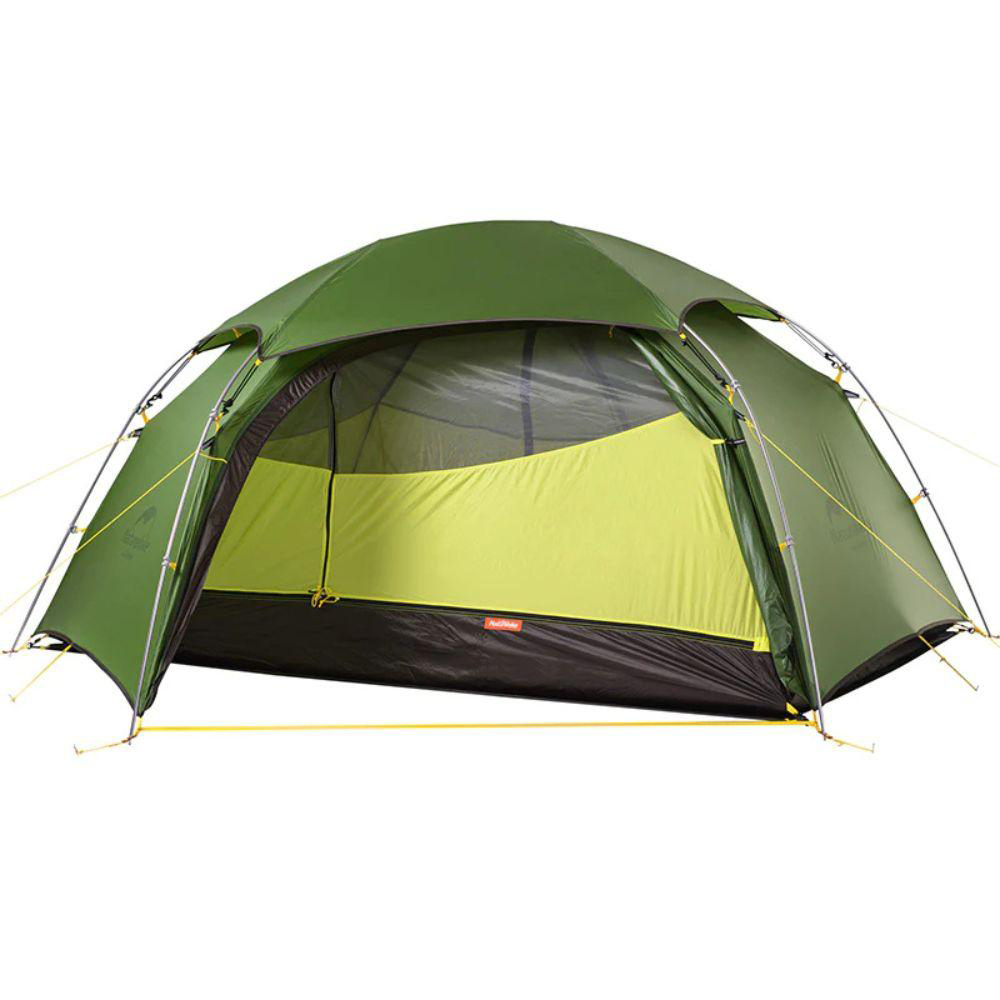
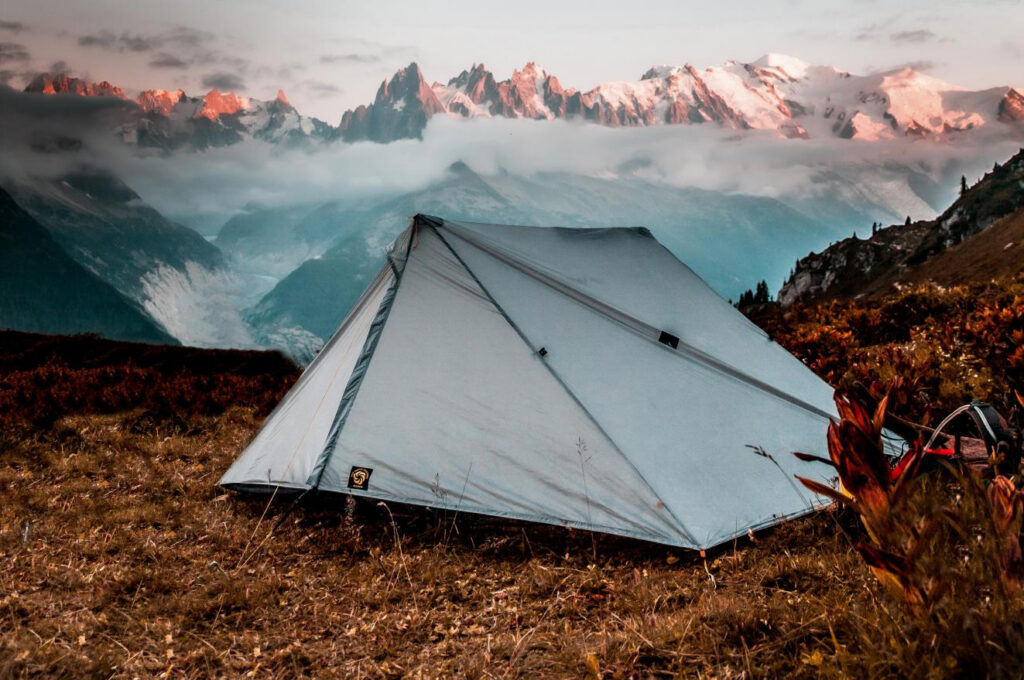
Backpacking tents prioritize weight savings above all else. Most are designed for one to three people and use lightweight materials to minimize pack weight.
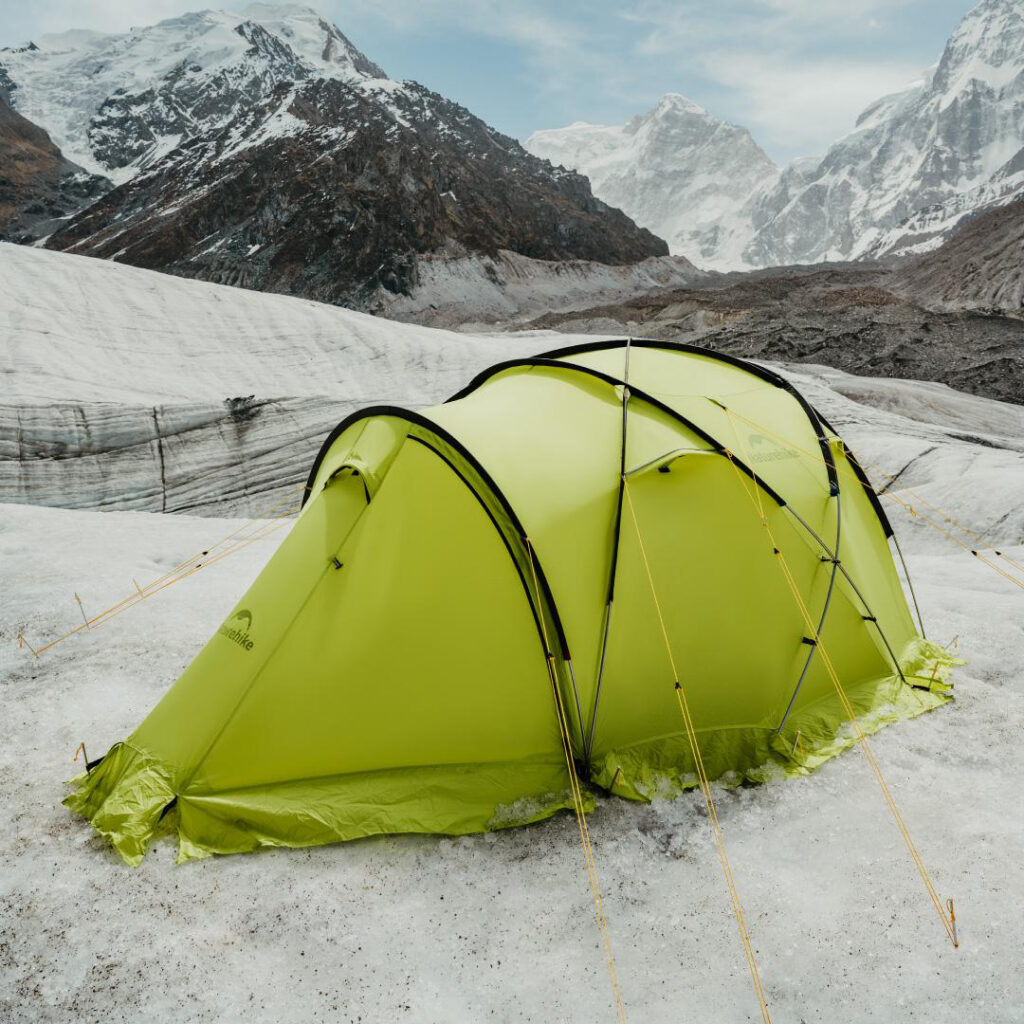
Tunnel Tents
Best Uses
- Family camping
- Base camps
- Long-duration camping
Advantages
- Excellent interior space-to-weight ratio
- Large vestibules for gear storage
- Comfortable for extended stays
Disadvantages
- Requires proper staking
- Can be vulnerable to side winds
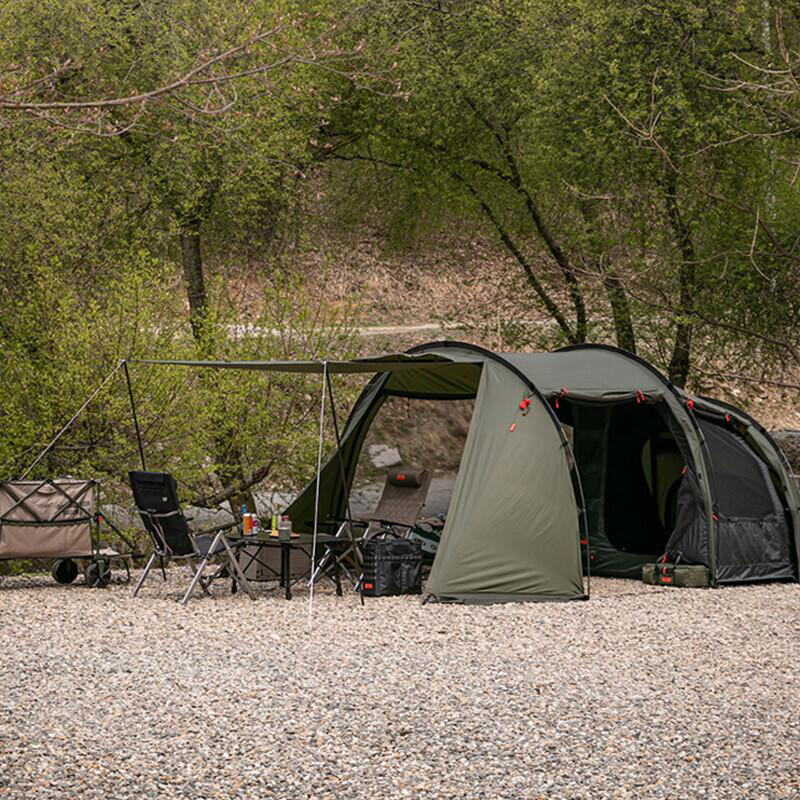
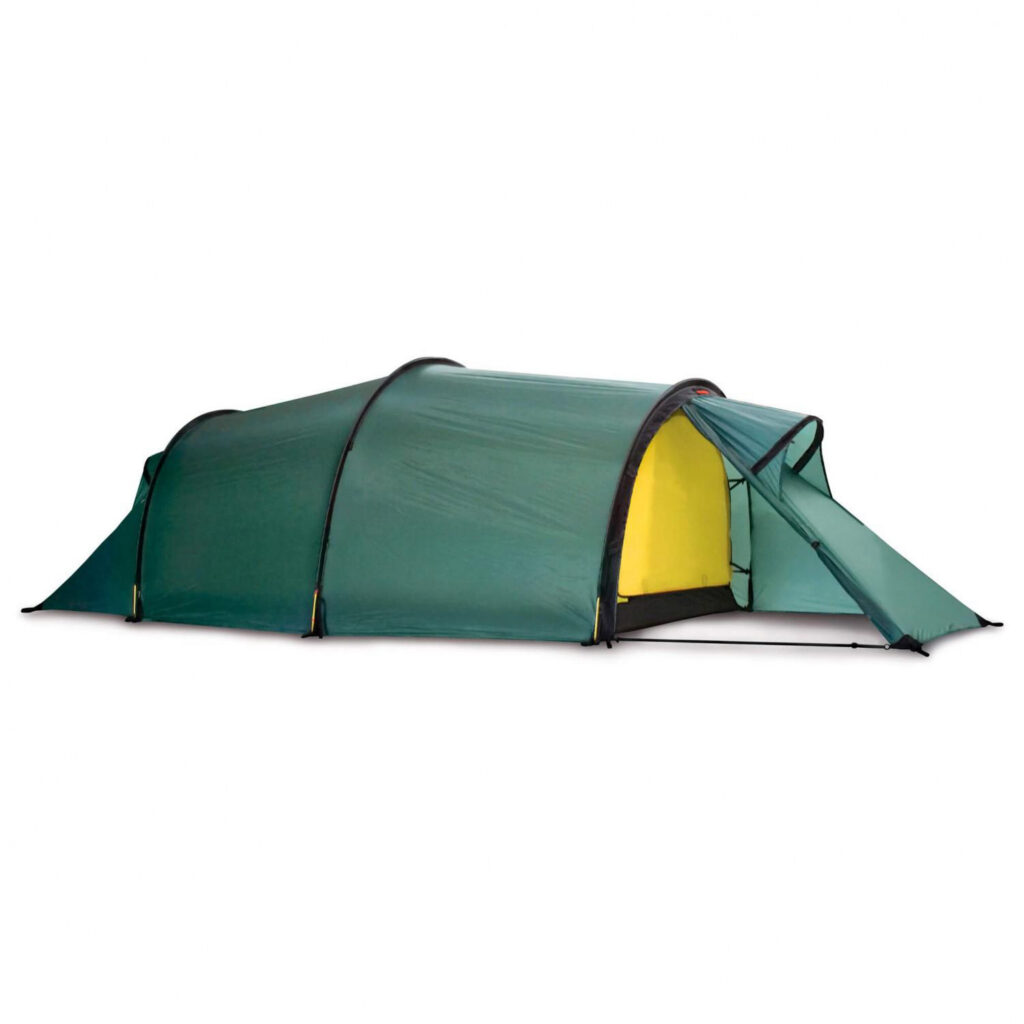
Tunnel tents use parallel poles to create a long tunnel shape, maximizing usable floor space while maintaining a relatively low weight.
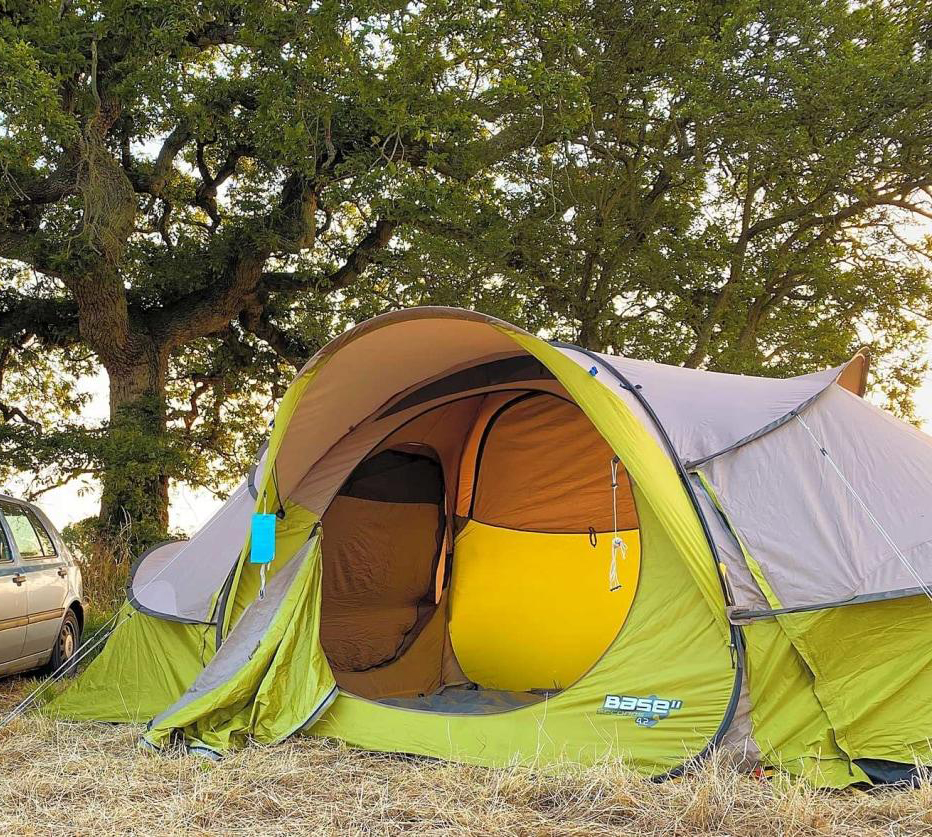
Pop-Up Tents
Best Uses
- Festivals
- Beach outings
- Casual camping
Advantages
- Sets up in seconds
- Very beginner-friendly
- Convenient for short trips
Disadvantages
- Difficult to repack
- Usually less durable
- Limited weather resistance
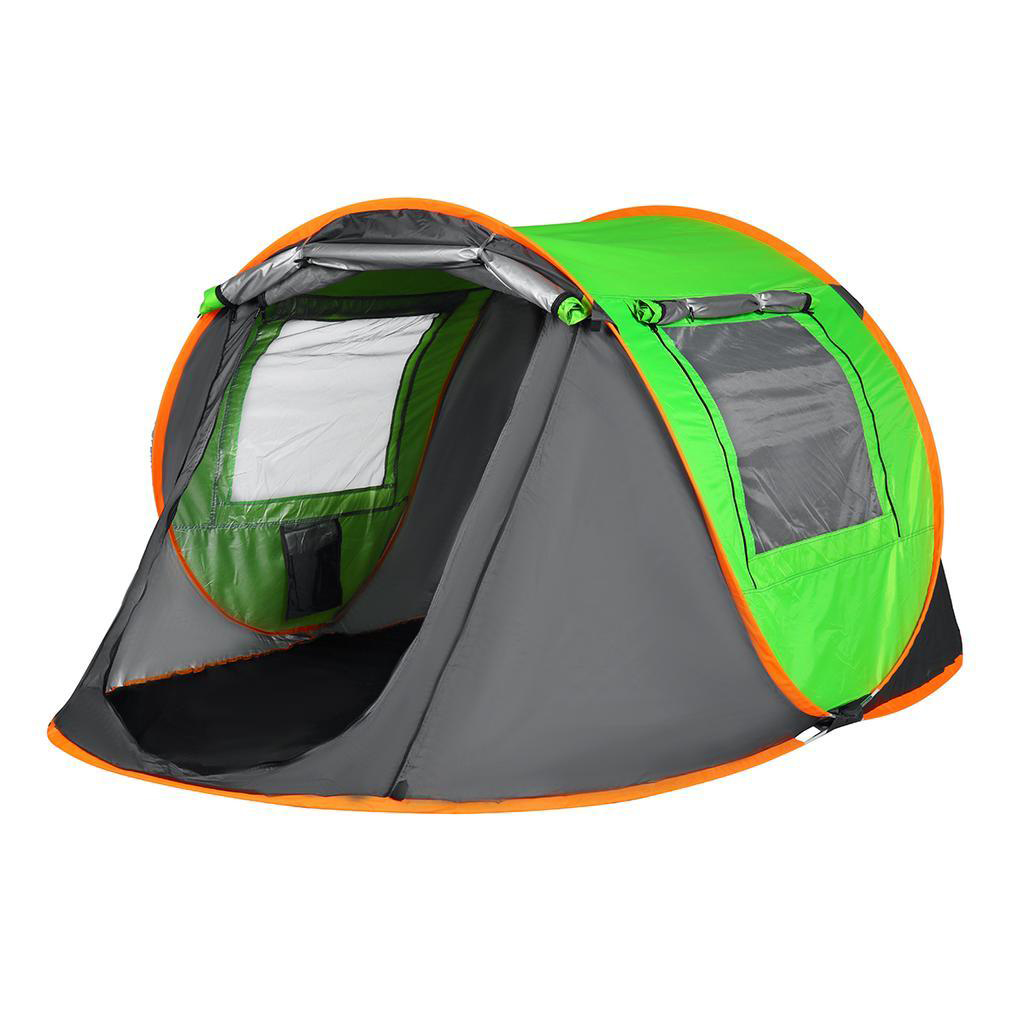
Pop-up tents are ideal for campers who value convenience and simplicity over advanced performance.
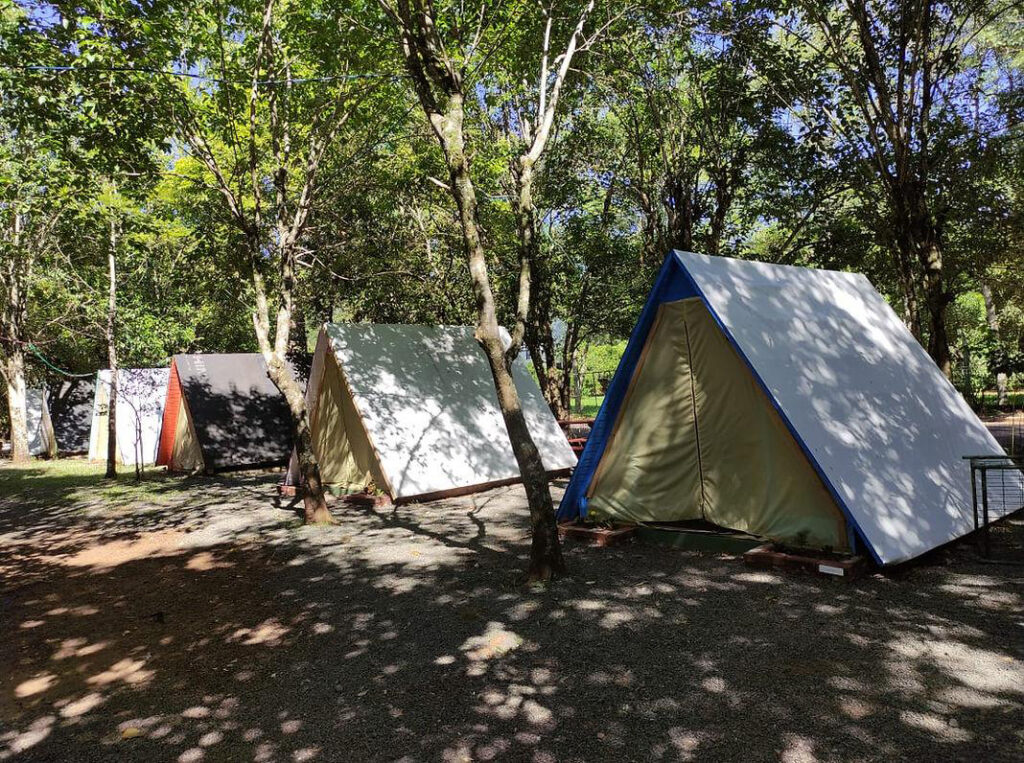
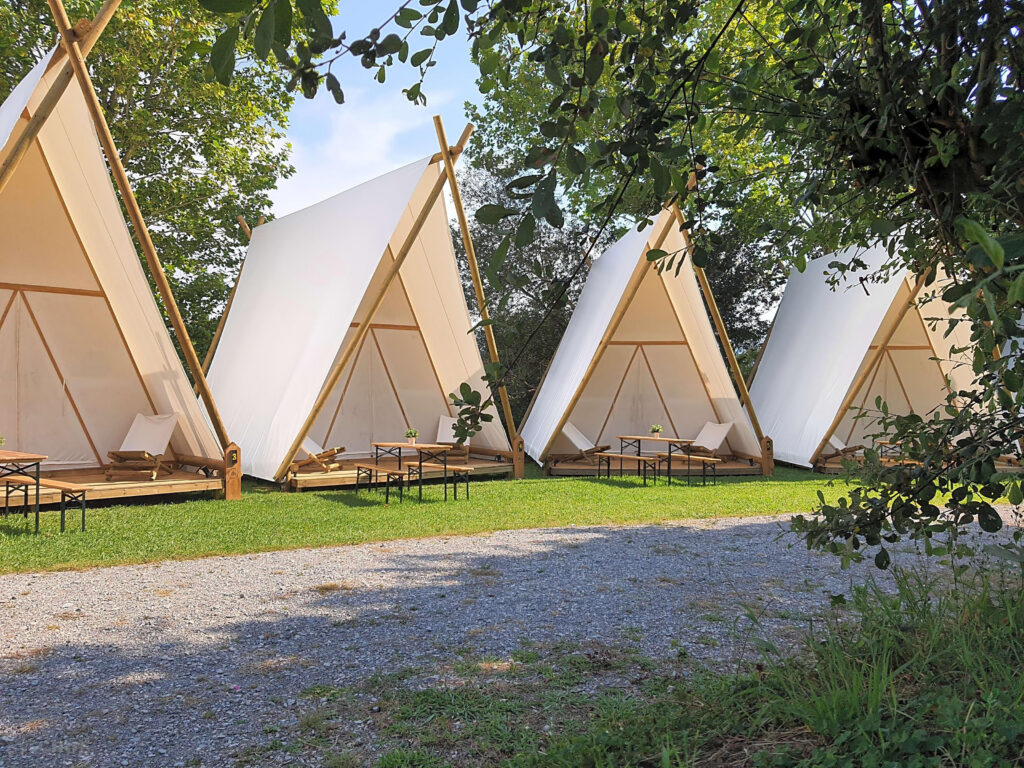
A-Frame Tents
Best Uses
- Traditional camping
- Historical reenactments
- Canvas camping
Advantages
- Simple design
- Durable when made from canvas
- Easy to understand and repair
Disadvantages
- Less efficient use of interior space
- Heavier than modern alternatives
The classic A-frame tent remains popular among traditional campers and those who appreciate its timeless design.
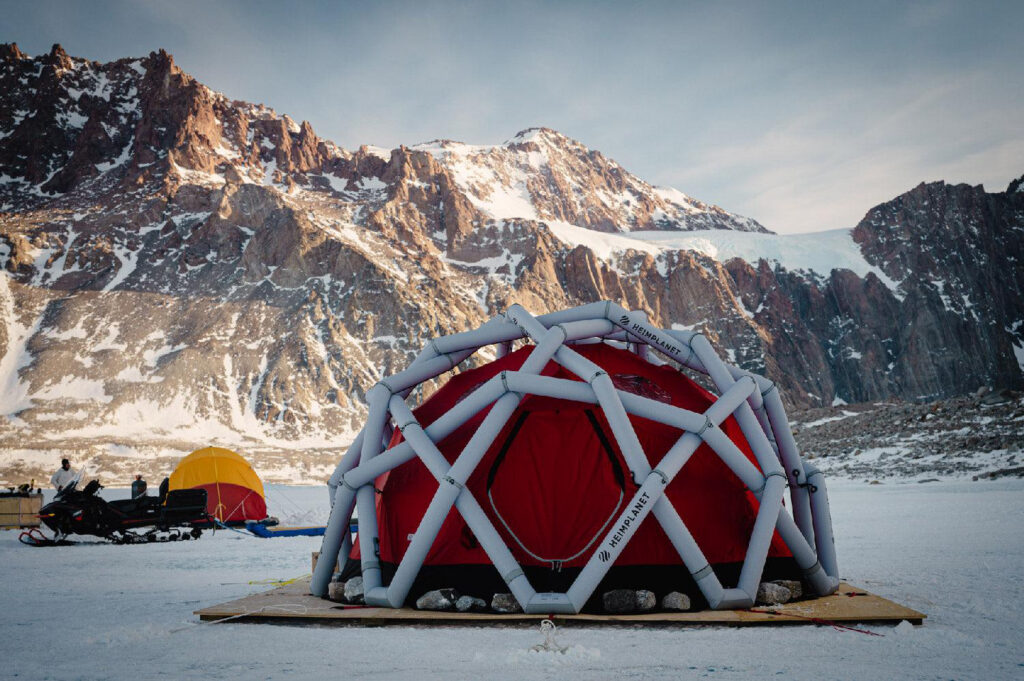
Geodesic and Mountaineering Tents
Best Uses
- Winter camping
- High-altitude expeditions
- Severe weather environments
Advantages
- Exceptional wind resistance
- Handles heavy snow loads
- Extremely durable
Disadvantages
- Expensive
- Heavier than three-season tents
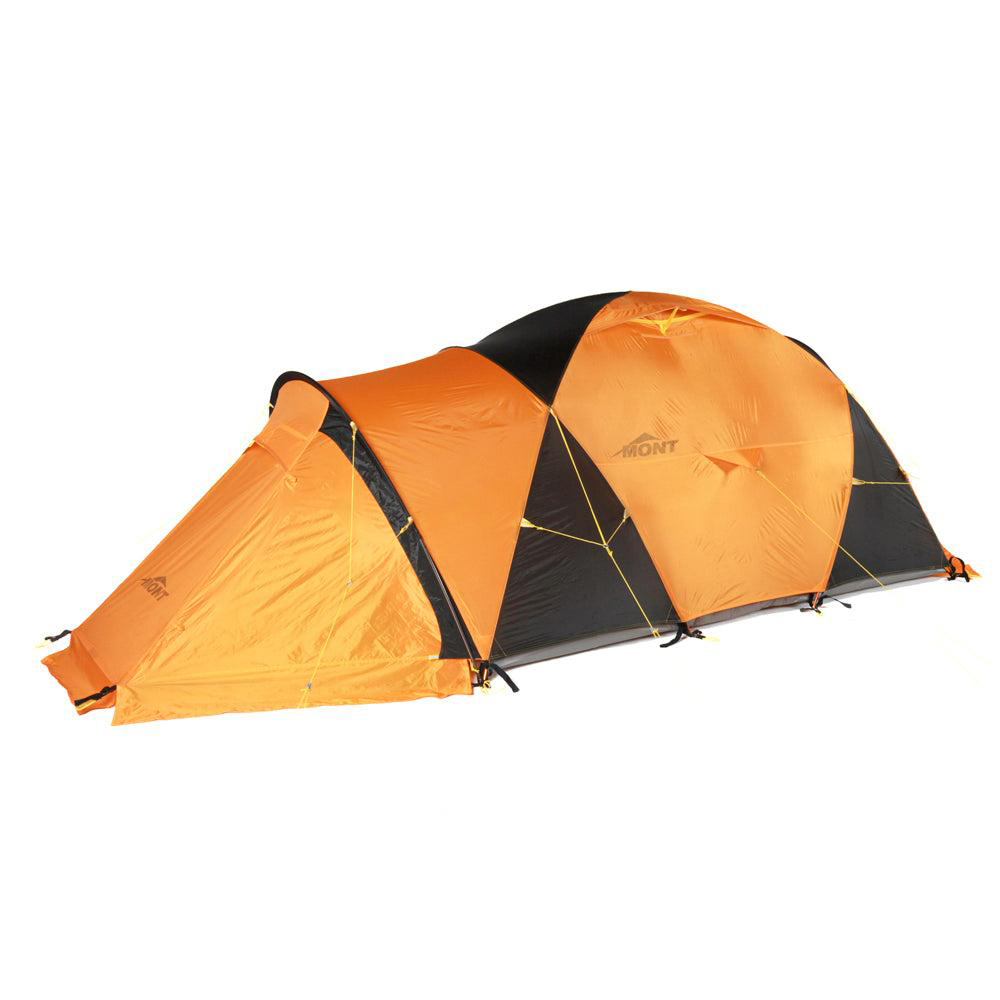
Geodesic tents feature multiple intersecting poles that create an incredibly strong structure capable of withstanding extreme mountain conditions.
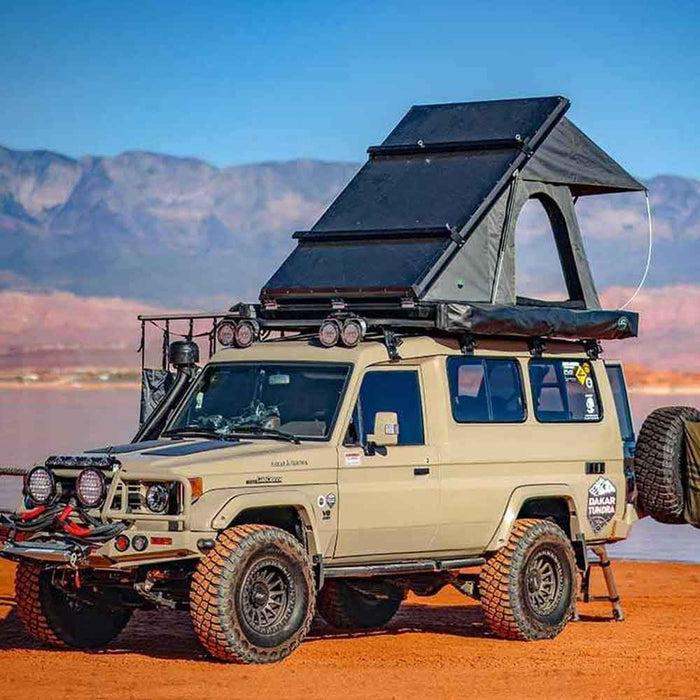
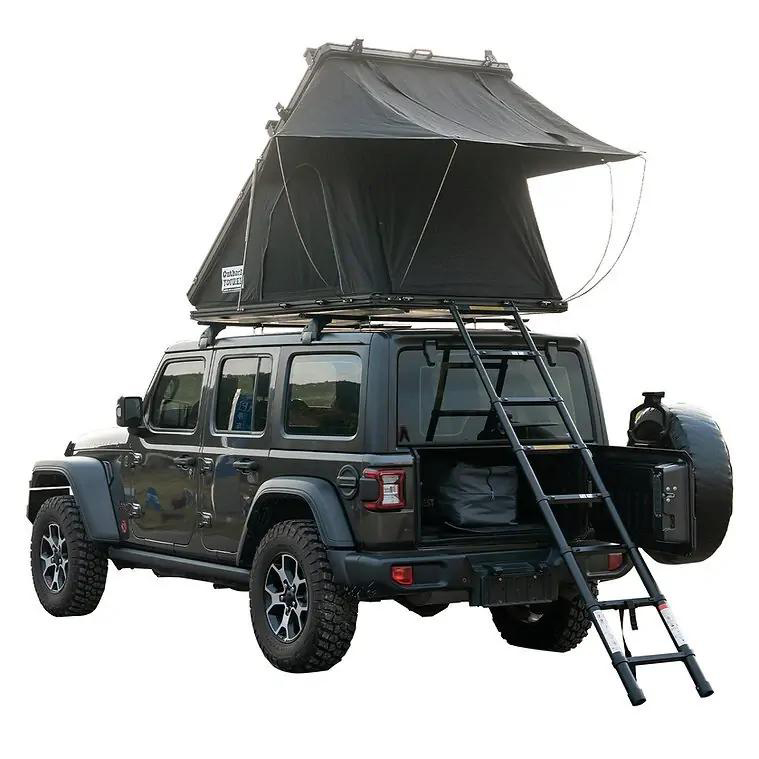
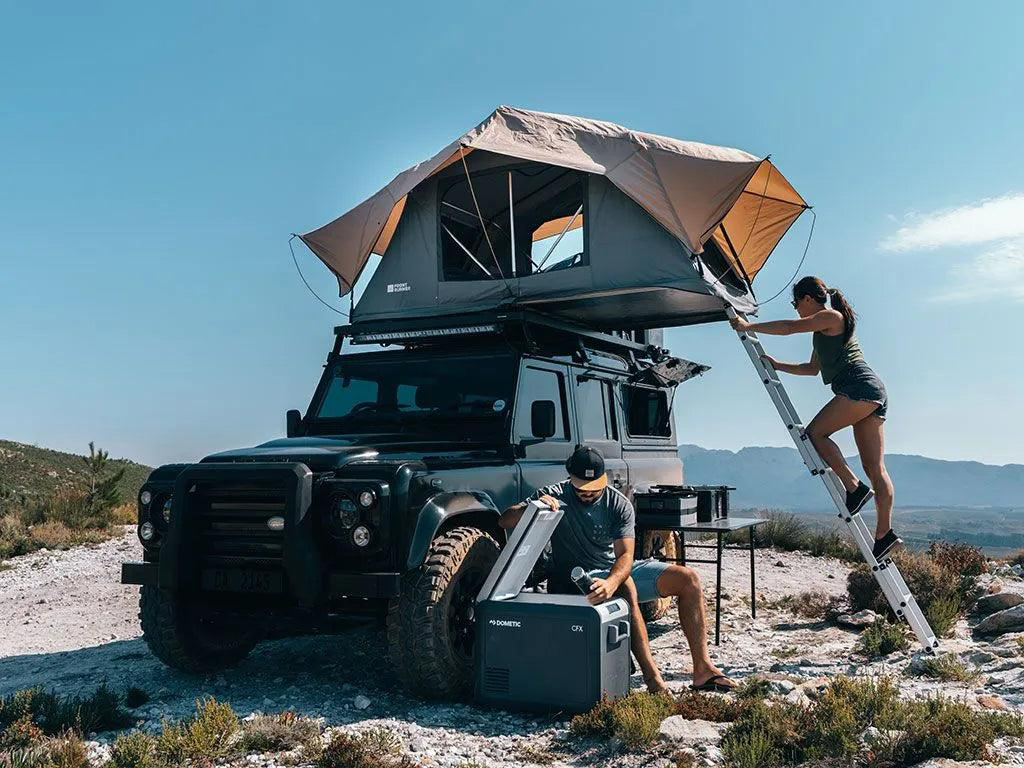
Rooftop Tents
Best Uses
- Overlanding
- Vehicle-based adventures
- Off-road travel
Advantages
- Elevated sleeping platform
- Fast setup
- Keeps campers off wet or uneven ground
Disadvantages
- Expensive
- Increases vehicle weight and height
- Requires compatible roof rack system
Rooftop tents have become increasingly popular among overlanders and off-road enthusiasts. They provide comfort, convenience, and excellent views from camp.
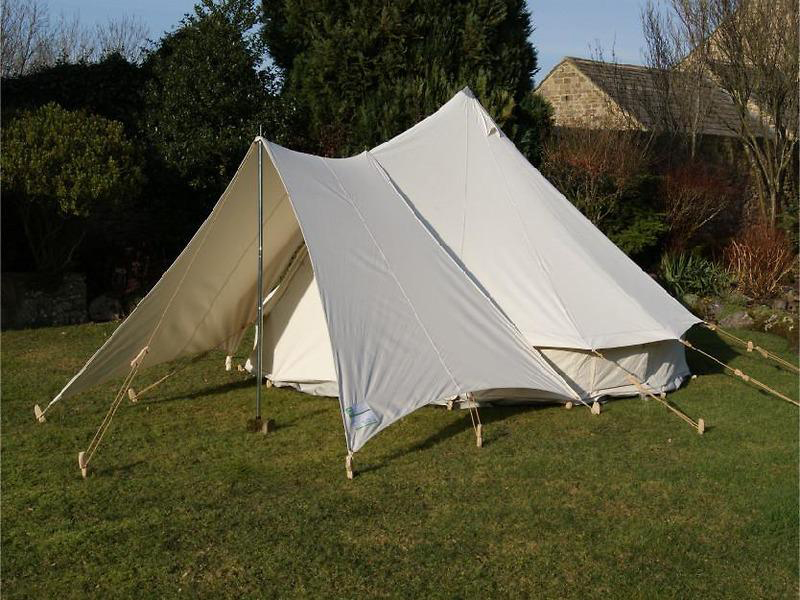
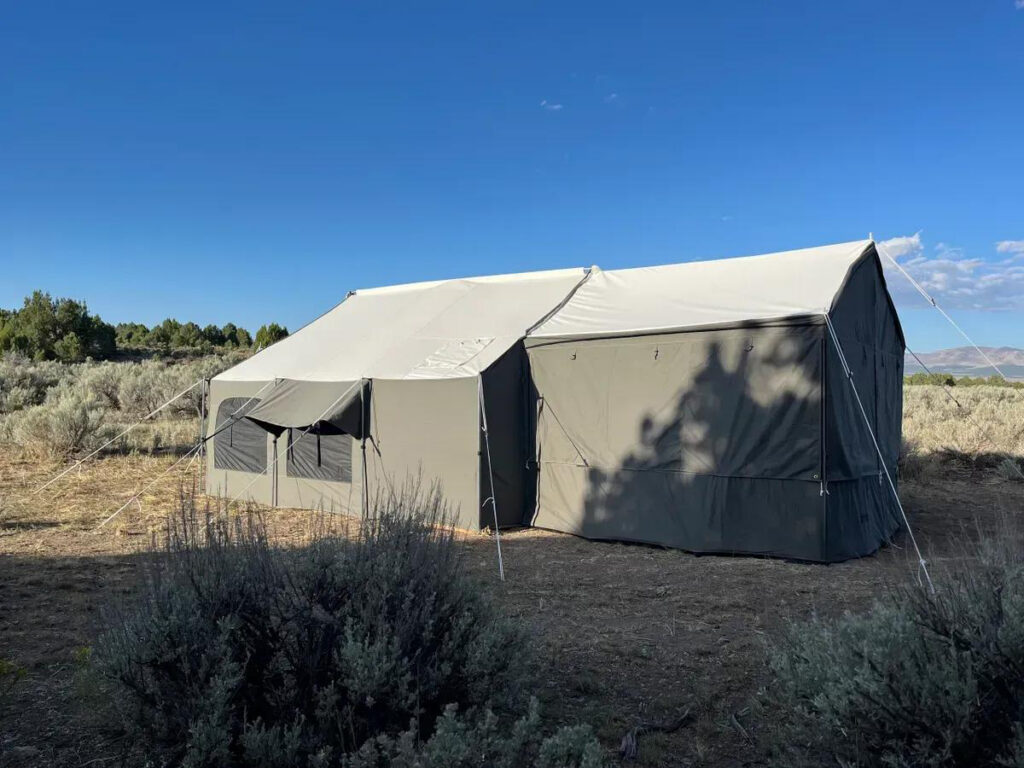
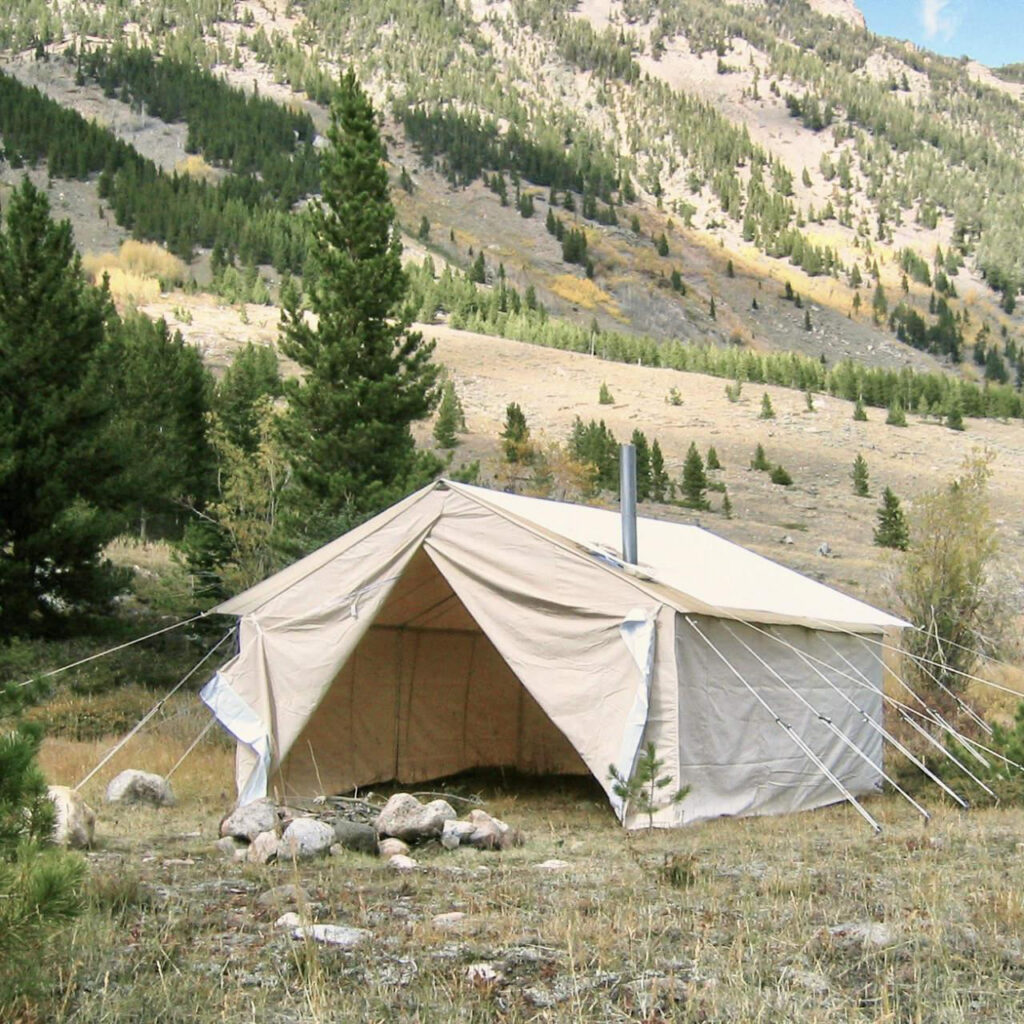
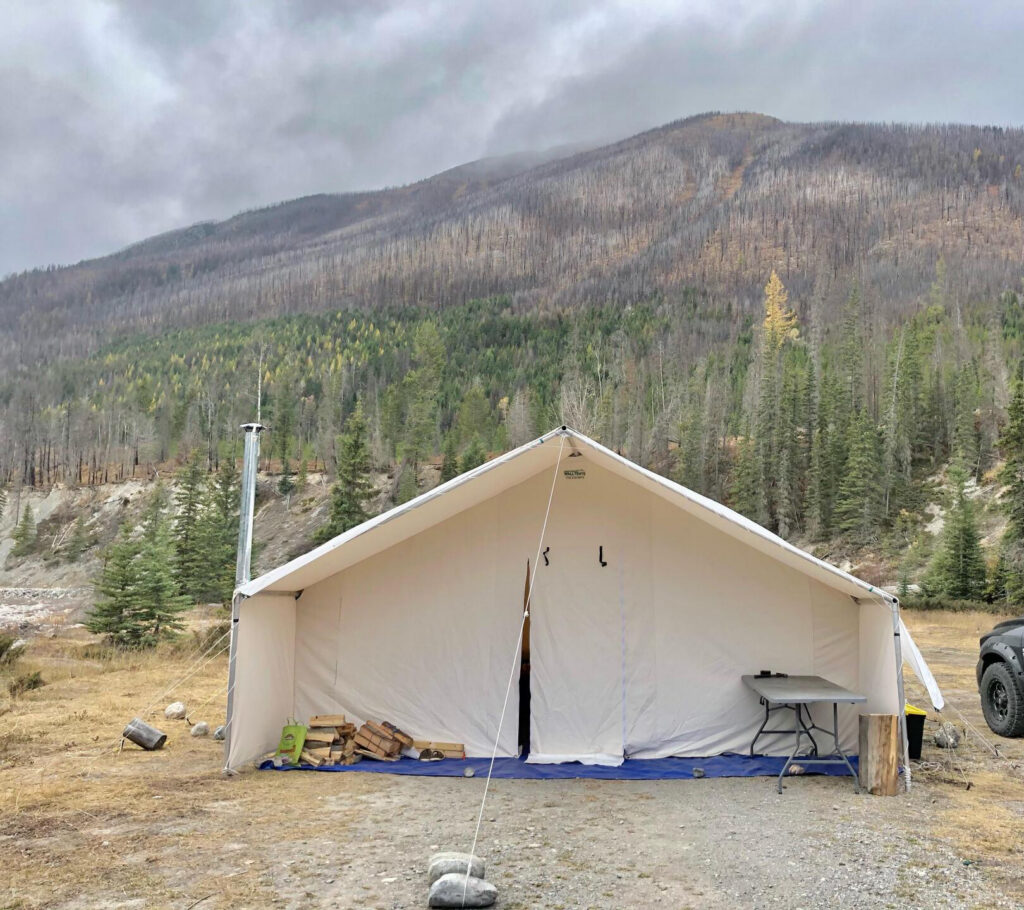
Canvas Wall Tents
Best Uses
- Hunting camps
- Long-term base camps
- Winter camping
Advantages
- Extremely durable
- Excellent insulation
- Can accommodate wood stoves
Disadvantages
- Heavy
- Requires significant setup time
- Not practical for backpacking
Wall tents are the choice of outfitters, hunters, and campers who need a rugged shelter capable of handling extended stays in remote areas.
Choosing the Right Tent
When selecting a tent, consider these key factors:
Camping Style | Recommended Tent Type |
|---|---|
| Family Camping | Cabin Tent, Dome Tent |
| Weekend Campgrounds | Dome Tent, Tunnel Tent |
| Backpacking | Backpacking Tent |
| Overlanding | Rooftop Tent |
| Winter Camping | Geodesic Tent, Wall Tent |
| Hunting Camps | Wall Tent |
| Festivals | Pop-Up Tent |
| Long-Term Base Camp | Tunnel Tent, Wall Tent |
Final Thoughts
No single tent is perfect for every situation. A lightweight backpacking tent may be ideal for a multi-day hike, while a spacious cabin tent offers comfort for a family weekend getaway. Overlanders often prefer rooftop tents, while winter adventurers rely on geodesic shelters designed to withstand harsh alpine conditions.
By matching your tent to your camping style, weather conditions, and group size, you’ll enjoy a safer, more comfortable outdoor experience and get the most from every adventure.
*all images are property of the proper copyright owners and are used under common use law.